

Advanced transmission systems, crucial for modern vehicles, rely on control modules for efficient power transfer. Regular maintenance, including prompt fluid changes, prevents drivability issues. Certified specialists perform diagnostics and repairs, extending drivetrain longevity. Future trends include electric vehicle adoption, automation, smart sensors, AI for predictive maintenance, and Continuously Variable Transmissions (CVTs) for improved fuel efficiency. Select Transmission Repairs require consideration of vehicle use patterns, driving conditions, and advanced diagnostic tools for optimal performance and longevity.
In today’s digital age, advanced transmission technology is the backbone of our interconnected world. As our reliance on data grows, ensuring reliable and efficient data transfer becomes paramount. However, navigating the intricacies of modern transmissions can be a complex challenge, exacerbated by the constant evolution of standards and the need for robust troubleshooting. This article delves into the heart of this issue, providing an authoritative guide to advanced transmission technologies, with a special focus on natural and effective Select Transmission Repairs. Our expertise promises to offer genuine value, empowering readers to confidently navigate this dynamic landscape.
- Understanding Advanced Transmission Systems
- Troubleshooting Common Issues: Select Transmission Repairs
- Future Trends in Transmission Technology
Understanding Advanced Transmission Systems

Advanced transmission systems are a complex yet vital component of modern vehicles, enabling smooth and efficient power transfer from the engine to the wheels. Understanding these intricate mechanisms is crucial for both automotive professionals and enthusiasts. The heart of any automatic or semi-automatic transmission lies in its control module, which acts as the brain, coordinating various components such as clutches, bands, and valves. A subtle malfunction in this system can lead to drivability issues, emphasizing the need for precise diagnostics and expert repairs.
One key aspect to grasp is the role of the clutch master cylinder transmission. This component manages the engagement and disengagement of clutches, ensuring seamless gear changes. Over time, wear and tear can affect these parts, requiring skilled technicians for timely transmission control module repair. Mechanics with a deep understanding of these systems can diagnose issues like slip or sluggish shifting, often indicated by unusual noises or performance hiccups. For instance, a faulty transmission control module may cause the vehicle to hesitate during gear changes, impacting overall driving experience.
Selecting the right mechanic for transmission repairs is paramount. When faced with transmission troubles, drivers should look for certified specialists who can perform comprehensive diagnostics. An expert mechanic will not only identify problems but also recommend cost-effective solutions, ensuring the longevity of the vehicle’s drivetrain. Remember, timely maintenance and prompt attention to transmission issues can prevent more serious and costly repairs down the line. For instance, regular fluid changes and periodic checks can significantly extend the lifespan of these sophisticated systems.
Troubleshooting Common Issues: Select Transmission Repairs

Advanced transmission technology has transformed how vehicles move and perform, but even with these sophisticated systems, common issues can arise. Troubleshooting these problems requires a deep understanding of both automatic transmission fluid types and manual transmission conversion kits. For instance, low or contaminated automatic transmission fluid (ATF) is a frequent culprit behind performance hiccups, shifting problems, and even severe damage if left unattended. Regular maintenance, including timely ATF changes, is crucial to prevent these issues.
When addressing common transmission problems, select transmission repairs stand out as a game-changer. While urgent transmission fixes are sometimes necessary, proactive measures like routine fluid exchanges and thorough inspections can significantly extend the life of both automatic and manual transmissions. For manual transmissions considering a conversion kit can offer smoother operations and enhanced performance, though it necessitates careful consideration and expert advice to ensure compatibility and optimal results.
In today’s digital era, leveraging advanced diagnostic tools can aid in identifying transmission issues more precisely. These technologies enable mechanics to pinpoint problems with greater accuracy, facilitating faster and more effective select transmission repairs. Data from these tools can help pinpoint fluid contamination, internal damage, or even electrical failures that may require specialized parts or techniques for resolution. Ultimately, a proactive approach to transmission maintenance, coupled with timely select transmission repairs, ensures optimal vehicle performance and longevity.
Future Trends in Transmission Technology
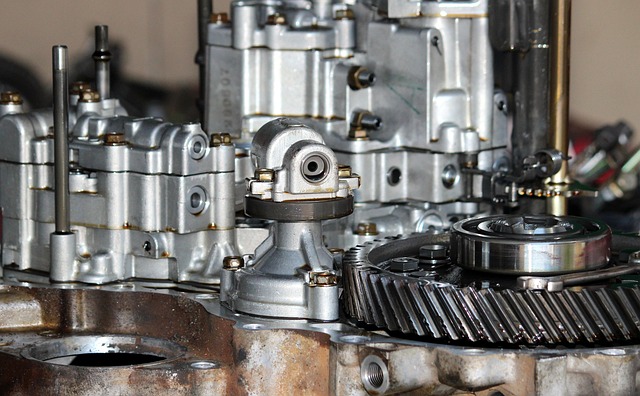
The future of transmission technology promises significant advancements, driven by growing demand for efficient, reliable, and eco-friendly transportation systems. Electric Vehicle (EV) adoption is expected to accelerate, with advanced transmission technologies playing a pivotal role in optimizing performance and reducing environmental impact. The shift towards automation will also continue to shape the industry, with autonomous vehicles requiring seamless and predictable power transfer systems.
One notable trend is the integration of smart sensors and artificial intelligence (AI) for predictive maintenance. These technologies enable vehicle systems to monitor themselves, detecting anomalies early on and scheduling repairs proactively. For instance, advanced transmission fluid analysis can identify degradation or contamination levels, allowing for timely changes that prevent costly breakdowns. This proactive approach aligns with general automatic transmission maintenance tips, emphasizing regular fluid checks and timely replacements. Moreover, the use of AI in diagnostic processes streamlines transmission leak repair procedures, enabling technicians to quickly pinpoint issues and implement effective solutions.
Another emerging trend is the development of continuously variable transmissions (CVTs), which offer smoother gear transitions and improved fuel efficiency compared to traditional automatic transmissions. As environmental concerns persist, manufacturers are also exploring hybrid systems that combine electric motors with conventional engines, further enhancing fuel economy. To support these innovations, regular transmission fluid changes will remain crucial, with recommended frequencies varying based on vehicle use patterns and driving conditions. For instance, while a typical car might require a fluid change every 30,000 to 60,000 miles, high-performance or heavily loaded vehicles may need more frequent services, typically once a year or every 15,000 miles. Following these transmission maintenance guidelines ensures optimal performance and longevity for select transmission repairs naturally.
By exploring advanced transmission technology, from understanding intricate systems to troubleshooting common issues and envisioning future trends, readers gain invaluable insights. The article underscores the significance of Select Transmission Repairs as a strategic component in maintaining and enhancing vehicle performance. Key takeaways include the importance of regular maintenance, the value of staying informed about technological advancements, and the practical application of select repairs for improved efficiency and reliability. This authoritative guide equips readers with the knowledge to make informed decisions, ensuring their vehicles remain at the forefront of transmission innovation.