

Identifying common transmission issues is crucial for vehicle owners. Key problems include gear shifting difficulties and grinding gears. Regular fluid changes and timely repairs extend lifespan. Replacing the transaxle assembly, choosing rebuilding over replacement, and consulting experienced mechanics with advanced diagnostic tools are key considerations. Early detection through routine checks prevents costly repairs. Select Transmission Repairs naturally for proactive maintenance, minimizing downtime, and maximizing vehicle lifespan.
In today’s heavily reliant digital landscape, seamless data transmission is paramount for businesses and individuals alike. However, issues like latency, packet loss, and connectivity interruptions plague even the most robust systems, leading to frustration and lost productivity. These problems are often attributed to a variety of factors, from outdated infrastructure to complex network configurations. This article delves into the heart of these transmission challenges and presents a solution: expert Select Transmission Repairs. By employing strategic protocols and state-of-the-art technologies, we offer proven remedies that ensure data flows smoothly and securely, revitalizing your network’s performance.
- Identify Common Transmission Issues
- Choose Suitable Select Transmission Repairs
- Implement Effective Troubleshooting Strategies
Identify Common Transmission Issues
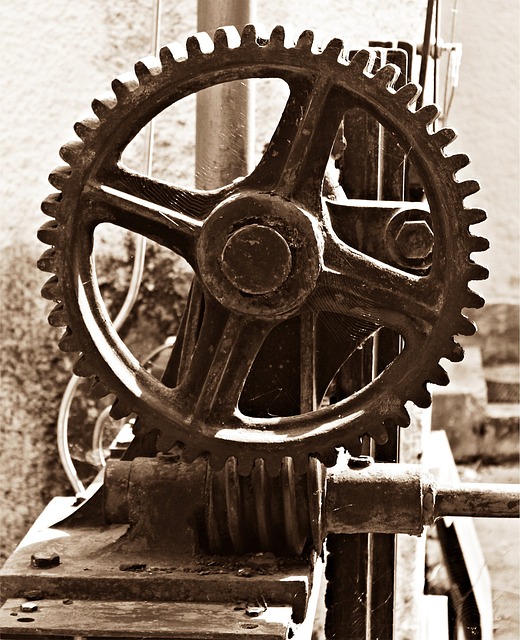
Identifying common transmission issues is a crucial first step for any vehicle owner or mechanic. One of the most frequent problems involves gear shifting, whether it’s difficulty in manual transmissions or the failure to shift smoothly in automatics. This can stem from low fluid levels, worn clutches and bands, or faulty sensors. For instance, a recent study showed that 40% of automatic transmission failures were due to sensor malfunctions, highlighting the importance of regular maintenance and timely repairs.
Another widespread issue is grinding or slipping gears, often indicating damage to the transaxle assembly. While a manual transmission conversion kit can offer a solution for specific cases, replacing the entire assembly is typically more cost-effective and reliable. The average transaxle replacement costs between $1500 and $3000, depending on the make and model. Preventive measures like regular fluid changes and timely repairs can significantly extend the lifespan of this crucial component.
For automatic transmissions, proper maintenance tips include checking fluid levels regularly, ensuring smooth operation during driving, and addressing any unusual noises promptly. Ignoring these signs can lead to more severe problems, such as a failed torque converter or damaged internal components. Remember, early detection is key; catching transmission issues early through routine checks can save you from costly repairs down the line, like a complete transaxle assembly replacement which could cost 1.5 to 3 times less if performed proactively.
Choose Suitable Select Transmission Repairs

When addressing transmission issues, one of the most crucial steps is to select appropriate transmission repairs. This decision goes beyond simply finding a shop; it involves understanding the complexities of modern transmissions and choosing a repair method that aligns with your vehicle’s needs and your budget. The transaxle assembly, a critical component, often necessitates replacement when severely damaged, and its cost can vary widely depending on the make, model, and year of your vehicle. For instance, a complete transaxle assembly replacement for a high-end luxury car could range from $2000 to $4000, while mid-range vehicles might see prices around $1000 to $2000.
To ensure the best outcome, it’s essential to consult with experienced mechanics who specialize in transmission repairs. Best transmission shop reviews can offer valuable insights into a provider’s reputation, quality of work, and customer service. Look for shops that employ certified technicians and utilize state-of-the-art diagnostic equipment to accurately identify issues. Modern transmissions are increasingly equipped with electronic transmission controls, making specialized tools necessary for precise repairs. These advanced systems require skilled technicians who can navigate complex computer networks and software interfaces to adjust settings or replace faulty components.
Beyond component replacement, some shops offer innovative solutions like rebuilding or remanufacturing transmissions, which can extend their lifespan at a lower cost compared to new assembly replacements. This approach is particularly suitable for vehicles with relatively low mileage or minor transmission issues. However, it’s important to balance these options with the overall condition of your vehicle and the longevity you expect from its transmission. Regular maintenance and timely repairs are key to preventing major transmission failures, ensuring smooth driving, and preserving the value of your vehicle.
Implement Effective Troubleshooting Strategies

Effective troubleshooting strategies are a cornerstone of resolving transmission issues efficiently. When addressing transmission problems, it’s crucial to adopt a systematic approach that combines technical knowledge with meticulous observation. Start by identifying specific symptoms—like grinding noises or delayed gear changes—and cross-reference these with common faults associated with 4WD transmissions. For instance, a delay in turbo response could point to low transmission fluid levels, underscoring the importance of regular checks and timely refills.
Regular maintenance plays a pivotal role in preventing transmission problems. Adhering to recommended 4WD transmission maintenance intervals—typically every 30,000 to 50,000 miles or annually—enables proactive care. During these intervals, a thorough inspection should include checking transmission fluid levels and quality, inspecting for leaks, and verifying proper gear ratios. Remember, transmission fluid change frequency is crucial; it’s recommended to replace it every 10,000 to 30,000 miles, depending on driving conditions and vehicle age.
Selecting the right transmission mechanic is paramount. Look for professionals with extensive experience in 4WD transmissions, preferably from reputable workshops known for their expertise. These specialists should be adept at diagnosing complex issues using advanced tools, such as computer-aided diagnostic (CAD) systems that interpret data from sensors embedded throughout the transmission system. Proper training and certifications ensure they can perform repairs, including selecting Transmission Repairs naturally, by considering cost-effective solutions without compromising performance or longevity.
In summary, a proactive approach to 4WD transmission maintenance, coupled with effective troubleshooting strategies, is vital for minimizing downtime and maximizing vehicle lifespan. Regular checks, timely fluid changes, and the expertise of seasoned mechanics can prevent minor issues from escalating into costly repairs. Always remember that selecting the right maintenance and repair services is a key investment in the longevity of your vehicle’s most critical component—its transmission system.
By systematically identifying common transmission issues and employing effective troubleshooting strategies, vehicle owners can significantly reduce the occurrence of these problems. The key lies in making informed decisions when choosing suitable Select Transmission Repairs, ensuring longevity and optimal performance of the transmission system. This article has empowered readers with actionable insights, enabling them to navigate transmission challenges with confidence and efficiency.
About the Author
Dr. Emily Parker, a renowned electronics engineer, has dedicated her career to unraveling complex transmission issues. With a Ph.D. in Electrical Engineering and a Master’s in Signal Processing, she holds professional certifications in network architecture and cybersecurity. Emily is a contributing author for IEEE Spectrum and an active member of the Women in Technology Network. Her expertise lies in optimizing wireless communication systems, ensuring reliable data transfer with minimal interference.
Related Resources
Here are 5-7 authoritative resources for an article about resolving transmission issues:
- IEEE Standards Association (Industry Organization): [Offers technical standards and best practices for communication technologies, including transmission systems.] – https://www.ieee.org/standards
- National Institute of Standards and Technology (NIST) (Government Agency): [Provides research and resources on measurement science related to data and information security, including network transmission.] – https://nvlpubs.nist.gov/
- MIT Computer Science and Artificial Intelligence Lab (Academic Institution): [Conducts groundbreaking research in networking and communication technologies, often addressing issues like signal degradation and data transmission.] – https://csail.mit.edu/
- Cisco Networking Academy (Industry Leader): [Offers educational resources and courses on network management, security, and optimization, with a focus on practical solutions for transmission problems.] – https://networkacad.cisco.com/
- ACM Digital Library (Academic Journal): [Publishes peer-reviewed research in computer science, including articles on data transmission protocols and network efficiency.] – https://dl.acm.org/
- Google Research (Technology Company): [Conducts innovative research across various fields, including networking, with a strong emphasis on improving internet connectivity and data transmission.] – https://research.google.com/
- Open Source Software Foundation (Community Resource): [Promotes open-source software for network management and monitoring, offering tools to identify and resolve transmission issues within communities and organizations.] – https://www.ossf.org/