

Emergency transmission failures impact commercial vehicles significantly, requiring proactive measures to minimize downtime. Proper maintenance and timely repairs reduce failure rates by up to 40%. Common causes include overlooked cooling system troubleshooting and fluid contamination. Select reliable transmission repair services with ASE certifications, positive reviews, and specialized training in modern systems like TCM. Regular checks for leaks, coolant levels, and fluid changes prevent catastrophic failures, enhancing fleet efficiency and safety. Proactive monitoring predicts potential issues, saving costs and extending vehicle lifespan.
In today’s fast-paced world, reliable communication is paramount, especially during emergencies. The ability to transmit critical information swiftly can make all the difference in crisis situations. However, equipment failures and technical glitches can disrupt these vital transmissions, leaving individuals and communities at risk. This article delves into the significance of emergency transmission help, specifically focusing on the role of skilled technicians who specialize in select transmission repairs. By exploring proven strategies and technologies, we aim to provide a comprehensive solution for ensuring seamless communication when it matters most.
- Understanding Emergency Transmission Failures
- Assessing Your Vehicle's Need for Repairs
- Choosing Reliable Transmission Repair Services
- Effective Strategies for Preventive Maintenance
Understanding Emergency Transmission Failures
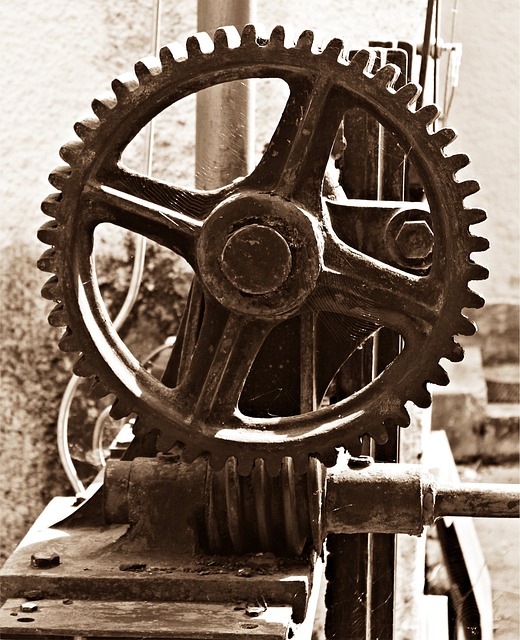
Emergency transmission failures can be devastating, especially for commercial vehicles relying on reliable performance. Understanding these issues is crucial to minimizing downtime. Many factors contribute to transmission problems, from fluid contamination to internal wear. For instance, a 2019 study by the Commercial Vehicle Transmission Council revealed that proper maintenance and timely repairs significantly reduce transmission failure rates by up to 40%.
One common cause of failures is overlooked transmission cooling system troubleshooting. Hot operating temperatures can lead to accelerated wear and damage. Regular checks for leaks, adequate coolant levels, and efficient heat exchange are vital preventive measures. Moreover, automatic transmission maintenance tips include keeping up with fluid changes and filter replacements, as contaminated fluids can cause severe damage.
When addressing transmission issues, selecting the right repair service is essential. Reputable commercial vehicle transmission service centers employ experienced technicians who follow industry best practices. They utilize advanced diagnostic tools to pinpoint problems accurately, ensuring repairs are tailored to specific needs. Regular involvement in transmission cooling system troubleshooting and proactive maintenance through automatic transmission maintenance tips can prevent catastrophic failures, enhancing fleet efficiency and safety.
Assessing Your Vehicle's Need for Repairs

When faced with an emergency transmission issue, assessing your vehicle’s needs for repairs is a crucial step before deciding on the course of action. This involves a thorough understanding of your vehicle’s drivetrain and transmission systems. For instance, the difference between a traditional automatic transmission and a manual or syncro transmission (common in all-wheel drive vehicles) dictates different repair approaches. Referring to a detailed syncro transmission repair manual can guide you through these nuances.
One of the primary indicators that your vehicle requires transmission repairs is unusual sounds or vibrations coming from the drivetrain, coupled with performance issues like slow acceleration, slipping gears, or difficulty shifting. At this point, it’s essential to consult an expert for accurate transmission troubleshooting. They may recommend a transaxle assembly replacement if severe damage has occurred. According to recent industry data, transaxle assembly replacements can range from $1500 to $3000 on average, depending on the make and model of the vehicle.
Select Transmission Repairs should be approached with care, considering both cost and performance implications. For less critical issues, a mechanic might suggest a fluid change or a computer scan to identify any error codes that could guide targeted repairs. However, for more complex problems like severe damage to internal components, a complete transaxle assembly replacement may be the only viable option. Regular maintenance, including timely fluid changes and adherence to manufacturer recommendations, can significantly extend the lifespan of your transmission, reducing the need for costly repairs.
Choosing Reliable Transmission Repair Services

Selecting a reliable transmission repair service is crucial when faced with transmission issues, as it directly impacts your vehicle’s performance, efficiency, and longevity. With modern vehicles increasingly relying on sophisticated electronic transmission controls and advanced systems like transmission control module (TCM) repair, choosing the right expertise becomes even more critical. Not all repair shops are equipped to handle these complex repairs, so discerning customers should approach their decisions with a keen eye for detail and an understanding of underlying technologies.
For instance, electronic transmission controls have become standard in many modern vehicles, offering enhanced performance and fuel efficiency. However, when these systems malfunction, they require specialized knowledge and tools for accurate diagnosis and repair. A shop that prides itself on its ability to perform TCM repairs, for example, demonstrates an investment in staying current with evolving technologies. This expertise extends beyond the initial fix; it ensures long-term reliability and performance, as these repairs can be intricate and precise.
When evaluating potential transmission repair services, consider their certifications, experience, and specific areas of specialization. Reputable shops will often advertise their capabilities openly, highlighting qualifications like ASE certifications or specialized training in modern transmission systems. Additionally, reviews from past customers offer valuable insights into the quality of service and the shop’s reputation for reliability. Ultimately, selecting a service that aligns with your vehicle’s needs and ensures competent repairs is key to maintaining a well-performing transmission.
Effective Strategies for Preventive Maintenance

Preventive maintenance is a cornerstone of ensuring optimal performance and longevity from your vehicle’s transmission system, especially for those facing frequent challenges like front-wheel drive transmission issues or requiring urgent transmission fix solutions. Incorporating structured maintenance routines into your vehicle care regimen can significantly mitigate costly repairs and downtime, particularly in the case of commercial fleet transmission care.
A comprehensive approach involves setting a consistent schedule for fluid changes, filter replacements, and thorough visual inspections. Transmission fluid, for instance, acts as both lubricant and coolant, so its regular replacement is crucial to prevent wear and tear on internal components. Many experts recommend changing it every 30,000 to 60,000 miles or annually, whichever comes first, depending on vehicle usage and driving conditions. Similarly, transmission filters should be replaced during these intervals as they trap debris that can cause damage if left unchecked.
For commercial fleet operators, selecting the right repair facility is paramount. Look for shops specializing in transmission repairs, equipped with state-of-the-art diagnostic tools and a team of experienced technicians. These professionals will not only address immediate concerns but also provide insights into potential future issues, offering tailored solutions to meet specific fleet needs. For example, regular monitoring of temperature levels and fluid pressures can signal impending problems before they turn into costly emergencies, allowing for proactive measures like timely fluid exchanges or component upgrades. This proactive approach to transmission care translates to enhanced safety, increased vehicle lifespan, and substantial cost savings in the long run.
By understanding emergency transmission failures, assessing your vehicle’s needs, and choosing reliable transmission repair services, you can ensure optimal vehicle performance and longevity. The article highlights the importance of regular preventive maintenance to mitigate unexpected issues. Key takeaways include selecting a reputable workshop, using genuine parts, and adhering to recommended service intervals. These strategies empower you to make informed decisions when facing transmission troubles, ultimately saving time, money, and potential inconvenience. When selecting transmission repairs, remember that proactive measures are the best defense against costly breakdowns, making it a vital step in maintaining your vehicle’s health.