

Fast transmissions are vital for modern mobility, enhancing fuel efficiency and reducing emissions through higher gear ratios. Select Transmission Repairs (STR) offer significant cost savings and improved performance for commercial fleets, leveraging advanced electronics for predictive maintenance. Key STR considerations include regular fluid changes (+50% transmission life), sensor replacement ($200-$1000), complete replacement ($1500–$4000+), and choosing reputable auto shops. Future advancements in materials, digital transformation, sustainability, and targeted repairs will drive efficient, durable transportation systems.
In today’s fast-paced world, reliable and rapid data transmission is the backbone of modern connectivity. As our digital landscape evolves, ensuring efficient and secure data transfer has become a complex challenge. The constant demand for speed and capacity pushes the limits of traditional infrastructure, leading to bottlenecks that hinder progress. This article delves into the heart of this issue, exploring cutting-edge fast transmission solutions that promise to revolutionize communication. We will specifically focus on how expert Select Transmission Repairs can navigate these complexities, offering tailored solutions for a seamless digital future.
- Understanding Fast Transmission Systems: Basics and Benefits
- Common Issues: Diagnosing Transmission Problems Effectively
- Choosing the Right Repair Method: A Comprehensive Guide
- Select Transmission Repairs: Techniques for Longevity and Performance
- Future Trends: Innovations in Fast Transmission Solutions
Understanding Fast Transmission Systems: Basics and Benefits

Fast transmission solutions are critical components of modern mobility, enabling seamless connectivity and efficient operations across various sectors. Understanding these systems begins with grasping their fundamentals: how they facilitate the transfer of power from the engine to the wheels, ensuring optimal vehicle performance and driver comfort. At their core, fast transmission systems differ from traditional counterparts by offering significantly higher gear ratios, allowing engines to operate within a narrower RPM range, thus enhancing fuel efficiency and reducing emissions.
The benefits of these advanced transmission technologies are multifaceted. For commercial fleets, select transmission repairs can lead to substantial cost savings through improved fuel economy and reduced maintenance needs. For instance, modern automatic transmissions with eight or even ten speeds can decrease fuel consumption by up to 20% compared to older models. Moreover, sophisticated electronics and sensors in these systems enable precise control and monitoring, facilitating predictive maintenance. By addressing slippage in transmission causes proactively, fleet managers can avoid costly breakdowns and downtime.
Implementing fast transmission solutions necessitates strategic planning and expert guidance. When selecting transmission repair services, it’s crucial to consider providers equipped to handle the latest technologies. Regular maintenance, including fluid changes and component inspections, is vital to preserving system health. Data from industry leaders suggests that scheduled servicing can extend transmission life by 50% or more. Furthermore, staying informed about emerging repairs and upgrades ensures that fleets remain competitive and environmentally responsible, aligning with global sustainability goals.
Common Issues: Diagnosing Transmission Problems Effectively
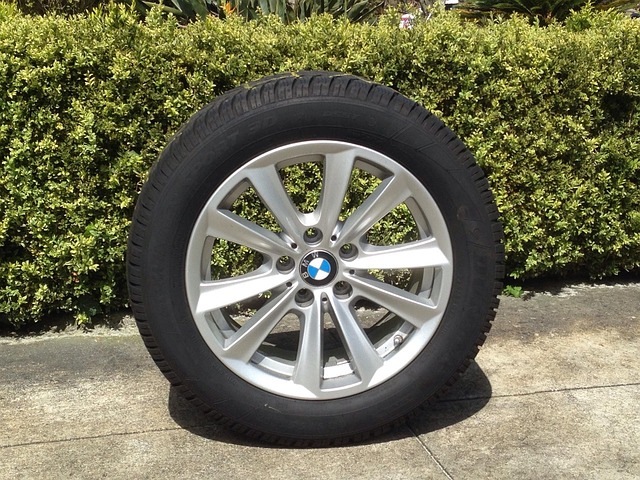
Diagnosing transmission problems effectively is a crucial step in ensuring optimal vehicle performance and longevity. Common issues can range from fluid leaks to shifting difficulties, often requiring specialized knowledge for accurate identification. Many modern vehicles, especially those equipped with automatic transmissions, are complex mechanisms with intricate sensors and computer systems, making self-diagnosis challenging. This is where professional transmission specialists shine, employing advanced diagnostic tools to pinpoint the root cause of the problem.
One prevalent challenge faced by vehicle owners is determining whether a manual transmission conversion kit or a 4WD transmission maintenance routine is necessary. Regular maintenance intervals play a vital role in preventing catastrophic failures. For instance, a well-maintained 4WD system can significantly enhance off-road capabilities and overall durability. Manual transmission rebuild kits are often recommended every 100,000 to 150,000 miles, depending on driving conditions, which naturally aligns with the vehicle’s service schedule. This proactive approach not only extends the life of the transmission but also saves costs in the long run by avoiding major repairs.
Selecting the right repair solutions is paramount. While DIY kits are available for basic repairs, complex issues may require professional intervention. A skilled mechanic can assess and recommend a manual transmission rebuild kit tailored to the specific make and model, ensuring compatibility and longevity. Moreover, understanding the nuances of 4WD systems, including differential fluid changes and sensor calibrations, is essential for optimal performance and safety. Regular monitoring and timely repairs using high-quality components are key to avoiding transmission failures, ultimately enhancing the overall driving experience.
Choosing the Right Repair Method: A Comprehensive Guide

Selecting the optimal repair method for your vehicle’s transmission is a crucial decision that requires careful consideration. The transmission, often referred to as the ‘heart’ of your car, plays a vital role in ensuring smooth and efficient power transfer from the engine to the wheels. When faced with repairs, understanding the underlying issues and choosing the right approach can significantly impact both performance and longevity. This comprehensive guide aims to navigate you through this process, offering expert insights into selecting transmission repairs tailored to your needs.
The initial step involves assessing the frequency of transmission fluid changes, a critical maintenance aspect. Modern vehicles typically require fluid replacements every 30,000 to 60,000 miles, but this can vary based on driving conditions and manufacturer recommendations. Neglecting regular fluid changes can lead to sludging, contamination, and eventual transmission damage. Regular monitoring and adherence to recommended intervals are key to preventing costly repairs. Transmission sensor replacement cost varies depending on the make and model, typically ranging from $200 to $1000, but it’s an investment that guarantees precise gear shifting and overall transmission health.
In some cases, a complete auto transmission replacement may be inevitable, especially for vehicles with severe damage or extensive wear. The cost of replacement can vary widely, averaging between $1500 to $3500 for manual transmissions and $2000 to $4000 or more for automatics. However, this should be considered a last resort after exploring other repair options. For instance, if you notice delayed or hard shifting, it might not always indicate a total replacement; a simple fluid exchange or sensor recalibration could resolve these issues. Locating reputable auto shops offering transmission repairs near your area is essential, ensuring expert care and peace of mind during this critical decision-making process.
Select Transmission Repairs: Techniques for Longevity and Performance

Selecting the appropriate transmission repair techniques is paramount for ensuring both longevity and optimal performance in your vehicle’s drivetrain. When faced with transmission issues, understanding the nuances of different repair methods becomes crucial. For instance, a clutch master cylinder transmission repair involves meticulous adjustments to the clutch system, enhancing its friction point precision. This ensures smooth engagement during gear changes, reducing wear over time.
Hydramatic transmission overhauls are another specialized procedure, requiring skilled technicians to disassemble and rebuild complex hydraulic systems. Such thorough overhauls can revive older vehicles with worn-out transmissions, extending their lifespan significantly. For example, a study by the Society of Automotive Engineers (SAE) revealed that up to 70% of transmission failures can be attributed to fluid contamination, making regular maintenance and hydramatic overhauls crucial for performance preservation.
Effective transmission noise diagnosis is an art in itself. Technicians employ specialized tools to pinpoint issues, whether it’s a loose component or a worn gear. Early detection through diagnostic checks can prevent minor problems from escalating into major repairs. A simple example: a high-pitched whining noise often signals a low fluid level or a faulty pump, whereas a grinding sound may indicate worn clutch plates. Prompt attention to such noises can save owners from costly repairs and ensure their vehicles remain reliable companions on the road.
Future Trends: Innovations in Fast Transmission Solutions

The future of fast transmission solutions is poised for significant advancements, driven by the ever-increasing demand for efficient and reliable transportation systems. Innovation in this domain is not just about speed; it involves enhancing durability, reducing downtime, and optimizing performance across various applications, from personal vehicles to commercial fleets and industrial machinery. One prominent trend is the integration of advanced materials and manufacturing techniques. For instance, the use of lightweight composites and precision engineering in transmission components can lead to more fuel-efficient vehicles with superior torque handling capabilities.
Furthermore, the digital transformation of automotive technology plays a pivotal role in this evolution. The adoption of sophisticated sensors, machine learning algorithms, and predictive analytics enables more proactive maintenance strategies. This shift from reactive to preventive care is particularly beneficial for commercial vehicle transmission services, where minimizing downtime is crucial for business continuity. Auto transmission replacement near me facilities can leverage real-time diagnostic data to offer targeted solutions, such as identifying specific components that require selective repairs rather than complete overhauls, thereby promoting cost-effective and eco-friendly practices with select transmission repairs.
As the focus on sustainability intensifies, so does the need for innovative transmission systems that prioritize energy efficiency without compromising performance. Electric and hybrid vehicles, for example, demand advanced transmission technologies to manage the intricate interplay between electric motors and internal combustion engines. This necessitates continuous research into novel materials, such as advanced lubricants and optimized gear designs, to ensure these transmissions can withstand the unique demands of these powertrains. Ultimately, the future looks bright for fast transmission solutions, with potential breakthroughs in areas like fluid dynamics and hybridization paving the way for more efficient, durable, and responsive transportation systems.
Fast transmission solutions have evolved to become a cornerstone of modern automotive technology, offering enhanced performance and efficiency. By understanding the basics and benefits of these systems, effectively diagnosing and addressing common issues, and choosing the right repair methods, including Select Transmission Repairs, vehicle owners can ensure optimal longevity and performance. The article has provided comprehensive insights into each aspect, from the foundational knowledge to future trends, emphasizing the importance of staying informed in this rapidly advancing field. These key takeaways equip readers with the necessary tools to make informed decisions regarding their transmission maintenance and repairs, ultimately enhancing the overall driving experience.