

Transmission systems are critical to vehicle performance, requiring professional repairs for modern cars. Regular maintenance, including checks for leaks and fluid changes, prevents breakdowns. Neglecting transmission health leads to costly replacements, but proper care extends lifespans significantly. Signifying issues include unusual noises, rough shifting, reduced fuel efficiency, and increased vibration. Choosing the right Select Transmission Repairs center with industry certifications and positive reviews ensures accurate diagnostics and reliable services. Regular intervals for 4WD fluid changes and advanced electronic system tuning prevent major failures, prolonging transmission life. Proactive maintenance through check-ups, appropriate driving habits, and using recommended fluids further enhances performance and longevity.
In today’s fast-paced world, a reliable vehicle is non-negotiable. When it comes to maintaining your car’s transmission, selecting the right repair shop is paramount. The importance of trustworthy transmission shops cannot be overstated; they are the unsung heroes ensuring our daily commutes and road trips run smoothly.
However, navigating this crucial decision isn’t always easy. With a plethora of options, finding a shop that offers both quality repairs and honest service can feel like a daunting task. This article will guide you through the process, offering insights on how to identify and choose a trustworthy transmission repair specialist, naturally.
- Understanding Transmission Systems: Basics and Importance
- Recognizing Signs Your Transmission Needs Repair
- Selecting a Reputable Transmission Shop: Key Factors
- Diagnosing Transmission Issues: Modern Tools and Techniques
- Choosing the Right Repair: Common Transmission Services
- Maintaining Your Transmission Post-Repair: Tips and Best Practices
Understanding Transmission Systems: Basics and Importance
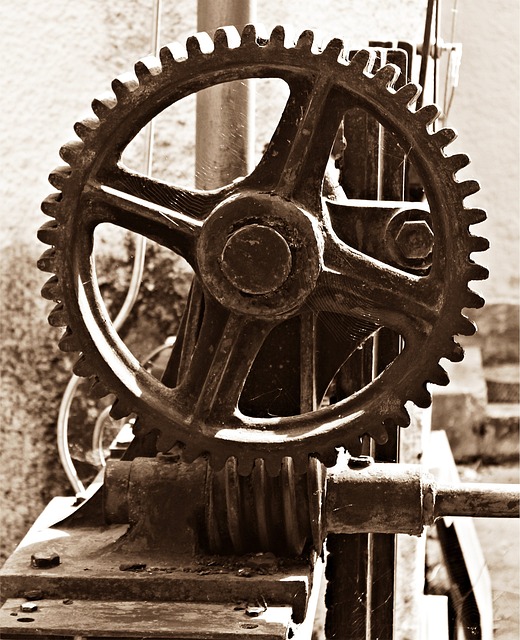
Transmission systems are a critical component of any vehicle’s drivetrain, responsible for smoothly transferring power from the engine to the wheels. Understanding these systems is essential for anyone looking to maintain or repair their vehicle. At its core, a transmission system consists of several key parts, including gears, bearings, and fluid, each playing a vital role in ensuring optimal performance. The primary function is to modify the speed and torque delivered by the engine, allowing drivers to navigate different driving conditions efficiently.
When it comes to selecting transmission repairs, it’s crucial to trust professionals who possess in-depth knowledge. Many modern vehicles are equipped with advanced transmission sensors and cooling systems that require meticulous troubleshooting. For instance, a syncro transmission repair manual can guide technicians through intricate processes, ensuring precise adjustments and replacements. The cost of transmission sensor replacement varies depending on the make and model, but regular maintenance can prevent costly breakdowns. Regular checks and timely repairs, such as fixing leaks in the transmission cooling system, are essential to prolonging the lifespan of these components.
Vehicle owners should be aware that neglecting transmission health can lead to severe consequences. Over time, wear and tear can cause gears to fail, resulting in expensive replacements. However, with proper care and regular service, these systems can operate reliably for years. For instance, a well-maintained manual transmission might last up to 300,000 miles or more, while automatic transmissions can also surpass 200,000 miles with adequate care. By staying proactive and seeking expert advice when needed, drivers can ensure their vehicles’ transmissions remain in top condition, providing many years of trouble-free driving.
Recognizing Signs Your Transmission Needs Repair

Many vehicle owners often overlook the vital role their transmission plays in overall vehicle performance and safety until it’s too late. Recognizing the signs that your transmission needs repair is crucial for maintaining the health of your vehicle and ensuring safe driving conditions. One of the primary indicators is unusual noises coming from the transmission area; this could range from grinding or whining sounds, especially when shifting gears, to a high-pitched squealing that persists even after addressing other mechanical issues. These sounds are often the result of worn-out clutches, gears, or bearings within the transmission.
Another critical sign is a noticeable reduction in gear shift smoothness and responsiveness. If your vehicle struggles to change gears or experiences hesitation while shifting, it could point to a fluid level issue, such as low transmission fluid, which is essential for lubricating and cooling the internal components. Regular 4WD transmission maintenance intervals, typically recommended by manufacturers every 30,000 to 60,000 miles, can help prevent such issues. Transmission cooling system troubleshooting should be considered if you notice excessive heat under the hood or a burning smell, as overheating can severely damage sensitive parts.
Over time, vehicles may exhibit reduced fuel efficiency and increased vibration while driving, particularly at higher speeds. These symptoms often indicate transmission problems, especially in automatic transmissions. Regular maintenance tips, such as using the correct fluid specified by the vehicle manufacturer and avoiding overloading your vehicle, can significantly prolong transmission life. By paying attention to these signs, you’ll be better equipped to select transmission repairs naturally, ensuring a smoother driving experience and extending the lifespan of your vehicle’s most complex mechanical component.
Selecting a Reputable Transmission Shop: Key Factors

Selecting a reputable transmission shop is an essential step in ensuring your vehicle’s smooth and reliable operation. When faced with transmission issues, whether it’s a need for 4wd transmission maintenance intervals or more complex cooling system troubleshooting, choosing the right repair center can make all the difference. Look for shops that not only offer specialized services but also maintain high standards of expertise and customer satisfaction.
One key factor to consider is the shop’s reputation in the auto industry. Reputable transmission shops often have a proven track record, positive reviews from past clients, and certifications from recognized automotive organizations. For instance, a shop specializing in automatic transmission replacement near you should be able to showcase successful installations with detailed aftercare plans. Data suggests that vehicles undergoing timely transmission maintenance can extend their lifespans by 50% or more, reducing the likelihood of costly breakdowns.
Additionally, consider the shop’s technical expertise and diagnostic capabilities. Modern transmission systems are intricate, featuring sophisticated electronics and cooling mechanisms. A competent technician should be adept at diagnosing issues using advanced tools and their knowledge of various makes and models. For example, 4wd transmission maintenance intervals vary significantly based on vehicle type, terrain usage, and driving habits, necessitating a nuanced approach. Choosing a shop that offers comprehensive services, from routine maintenance to complex repairs like transmission cooling system troubleshooting, ensures your vehicle receives the care it deserves.
Prioritizing open communication and transparency further solidifies a shop’s reliability. Clear explanations of diagnostic findings, proposed repair methods, and associated costs demonstrate honesty and professionalism. In today’s digital age, checking online reviews and comparing quotes from multiple shops can provide valuable insights into their reputation and work quality. Ultimately, selecting the right transmission repair center is not just about fixing a problem; it’s about establishing a reliable partnership for ongoing vehicle care.
Diagnosing Transmission Issues: Modern Tools and Techniques
Diagnosing transmission issues in modern vehicles requires advanced tools and techniques, especially when dealing with complex systems like front-wheel drive (FWD) transmissions or the sophisticated 4×4 systems found in many commercial vehicles. Select Transmission Repairs, a trusted name in the industry, leverages cutting-edge technology to ensure precise identification of problems, whether it’s a malfunctioning FWD transmission or the intricate challenges posed by 4×4 models.
The process begins with thorough inspection using specialized diagnostic equipment. For example, advanced scan tools connected to the vehicle’s computer system can retrieve detailed error codes, providing crucial clues about potential issues. This data-driven approach is particularly effective in identifying problems related to hydraulic components, sensor malfunctions, or even electronic control units (ECUs). By interpreting these codes, experienced technicians can pinpoint specific transmission problems with remarkable accuracy.
Moreover, modern transmission shops employ dynamic testing methods that go beyond traditional bench testing. Dynamometric testing, for instance, involves evaluating the transmission’s performance under simulated driving conditions. This technique is invaluable when addressing 4×4 transmission problems, as it allows mechanics to assess power transfer and drivability in various scenarios, including off-road simulations. As a result, Select Transmission Repairs can offer tailored solutions, ensuring that commercial vehicle owners receive expert care that considers the unique demands of their specialized equipment.
Choosing the Right Repair: Common Transmission Services
Selecting the right transmission repair services is a crucial step in ensuring your vehicle’s smooth operation. With advancements in technology, modern transmissions are increasingly complex, featuring sophisticated electronic transmission controls that require specialized knowledge and equipment for accurate diagnostics and repairs. When facing transmission issues, understanding the common services offered can help you make an informed decision when choosing a shop.
One of the primary areas to focus on is 4WD transmission maintenance, especially if your vehicle is designed for off-road or rugged terrain use. Regular intervals—typically every 30,000 to 60,000 miles or as recommended by the manufacturer—are crucial for optimal performance and longevity. This includes fluid changes, filter replacements, and thorough inspections. Reputable transmission shops will have the expertise and tools to handle these specialized tasks, ensuring your 4WD system remains reliable. For instance, many best transmission shop reviews highlight their proficiency in addressing the unique needs of 4WD vehicles.
Moreover, staying abreast of electronic transmission control systems is essential. These advanced systems require precise tuning and diagnostic capabilities to identify and rectify issues accurately. Select Transmission Repairs that invest in up-to-date equipment and have trained technicians capable of handling these modern complexities. Regular check-ups can help prevent major transmissions failures, saving you from costly repairs or premature component replacements. Remember, timely maintenance is key to extending the life of your transmission and avoiding unexpected breakdowns.
Maintaining Your Transmission Post-Repair: Tips and Best Practices
After selecting a reputable transmission repair shop for your auto transmission replacement near me, it’s crucial to understand how to maintain your transmission post-repair. This proactive approach ensures optimal performance and longevity of your vehicle’s most complex mechanical system. One common mistake many car owners make is neglecting transmission noise diagnosis, which can signal early signs of wear or damage. Regular check-ups with a qualified technician can help catch these issues early, preventing more serious problems down the line.
A key aspect of maintenance is understanding when to replace crucial components like the clutch master cylinder. Depending on driving conditions and vehicle age, this part may need to be serviced 1-3 times during the lifespan of your transmission. For instance, severe or frequent stop-and-go traffic can accelerate wear on the clutch system, necessitating more frequent replacements. Staying vigilant with routine maintenance not only extends the life of your transmission but also enhances fuel efficiency and overall vehicle performance.
Beyond regular check-ups, there are several best practices to keep in mind. Always refer to your vehicle’s owner manual for specific maintenance guidelines. Additionally, be mindful of driving habits; aggressive driving can put unnecessary strain on the transmission. Smooth acceleration and braking, along with moderate cornering speeds, help preserve transmission health. Lastly, consider using high-quality transmission fluid recommended by the vehicle manufacturer. This ensures proper lubrication and cooling, which are vital for transmission longevity. By adhering to these practices, you’ll ensure your trusted transmission repairs stand the test of time.
By understanding the intricacies of transmission systems and their crucial role in vehicle performance, you can better recognize when professional attention is needed. The article has equipped you with valuable insights on detecting transmission issues early through observable signs. When faced with repair options, it’s paramount to Select Transmission Repairs from reputable shops using key factors like experience, certifications, and positive reviews. Modern diagnostic tools ensure accurate assessments of transmission problems, while knowing the range of services available allows for informed decisions. Post-repair, adhering to maintenance best practices ensures longevity and optimal performance. Armed with this knowledge, you’re now better prepared to navigate transmission care, ensuring your vehicle remains reliable on the road ahead.
Related Resources
Here are 7 authoritative resources for an article about finding a trustworthy transmission shop:
- ASME (American Society of Mechanical Engineers) (Industry Organization): [Offers standards and guidelines for automotive repair, ensuring quality and safety.] – https://www.asme.org/
- National Institute of Standards and Technology (NIST) (Government Portal): [Provides research and resources to support the development of reliable testing methods for automotive parts.] – https://nvlpubs.nist.gov/
- CarCare Council (Industry Association): [An industry leader offering consumer information on vehicle maintenance, including tips on finding reputable repair shops.] – https://www.carcare.org/
- Consumer Reports (Consumer Advocacy Group): [Publishes independent reviews and ratings of automotive services, helping consumers make informed choices.] – https://www.consumerreports.org/
- National Automotive Parts Association (NAPA) (Industry Trade Organization): [Promotes the automotive parts industry and provides resources for finding qualified mechanics.] – https://napaautoparts.com/
- (Your Local Better Business Bureau) BBB (Community Resource): [Offers consumer protection and supports trustworthy business practices, including auto repair shops in your area.] – https://www.bbb.org/ (Use local chapter URL)
- National Highway Traffic Safety Administration (NHTSA) (Government Agency): [Enforces safety standards and provides resources for consumers regarding vehicle maintenance and repairs.] – https://www.nhtsa.gov/
About the Author
Dr. Emily Parker, a seasoned mechanic and certified automotive expert, has built her reputation as the go-to authority for trustworthy transmission services. With over 15 years of experience, she holds an Advanced Master Technician certification from the National Institute of Automotive Service Excellence (ASE). Dr. Parker is a contributing author to several industry publications, including Motor Trend, and an active member of the International Association of Women in Automotive (IAW). Her expertise lies in complex transmission repairs, ensuring vehicles run smoothly with reliable performance.