

Highly skilled technicians are indispensable for Select Transmission Repairs due to modern transmissions' complexity. Regular ATF changes, early leak detection, and comprehensive guides prevent costly repairs. These experts combine theoretical knowledge with practical experience, offering tailored preventive maintenance and building customer trust. Continuous learning through formal education, workshops, and industry trends ensures they stay updated on advanced diagnostic tools and technologies, crucial for reliable fleet performance. Specialization in Select Transmission Repairs enhances vehicle safety, efficiency, and longevity, making skilled technicians valuable assets in today's automotive sector.
In today’s world, where technology plays a pivotal role, highly skilled technicians are the unsung heroes ensuring the smooth operation of our digital infrastructure. From intricate machinery to complex systems, their expertise is vital for maintaining efficiency and safety. However, as technology evolves rapidly, keeping up with specialized skills can be challenging. This article explores the significance of cultivating and recognizing top-tier technical proficiency, particularly in the domain of Select Transmission Repairs. We delve into strategies to foster a highly skilled workforce, ensuring they provide genuine value and revolutionize the way we maintain our technological landscape.
- Understanding the Role of Highly Skilled Technicians
- Key Qualities of Top-Tier Technical Experts
- Training and Education for Specialized Skills
- The Importance of Continuous Learning in Technique
- Case Studies: Successful Select Transmission Repairs
- Industry Trends Shaping Technician Competence
Understanding the Role of Highly Skilled Technicians
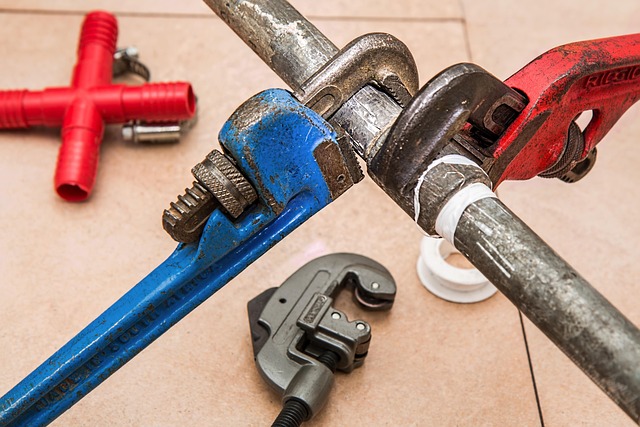
Highly skilled technicians are indispensable assets in the modern automotive industry, particularly when it comes to specialized areas like select transmission repairs. These experts possess a profound understanding of complex mechanical systems, enabling them to diagnose and resolve issues with precision and efficiency. In the context of automatic transmissions, their role becomes even more critical, as these sophisticated pieces of machinery require meticulous care and expertise for optimal performance and longevity.
The task of selecting the right transmission repair involves a nuanced approach, considering various factors such as fluid types and change frequencies. Automatic transmission fluid (ATF) plays a vital role in ensuring smooth gear shifts and protecting internal components from wear and tear. Different vehicle manufacturers may specify unique ATF types, so technicians must be adept at identifying the correct fluid for each make and model. A routine transmission fluid change, typically recommended every 30,000 to 60,000 miles or 1-2 years, is essential to maintain transmission health. Ignoring this maintenance window can lead to costly repairs, as transmission leaks and contamination can cause significant damage.
A practical guide for transmission leak repair should be a standard tool in every technician’s toolkit. Common signs of a transmission leak include strange smells, fluid stains under the vehicle, and performance issues like delayed gear changes or harsh shifting. Prompt identification of these symptoms allows for early intervention, which is crucial to prevent further complications. For instance, data from industry reports shows that timely transmission maintenance can reduce repair costs by up to 30%. By staying abreast of ATF change recommendations and employing a comprehensive transmission leak repair guide, highly skilled technicians can ensure customer vehicles receive the meticulous care they deserve, ultimately fostering trust and satisfaction.
Key Qualities of Top-Tier Technical Experts

Highly skilled technicians are the backbone of any successful transmission repair and maintenance operation. Top-tier technical experts possess a unique blend of knowledge, experience, and problem-solving skills that set them apart. When it comes to select transmission repairs, these professionals understand the intricate dynamics of automatic transmissions, enabling them to diagnose and fix complex issues with precision and efficiency. They stay updated on the latest technologies and advancements in the field, ensuring their work meets modern vehicle standards.
One key quality of top-tier technicians is their ability to blend theoretical knowledge with practical experience. This means they can not only understand the technical specifications of various transmission types but also apply that knowledge in real-world scenarios. For instance, in commercial fleet transmission care, these experts recognize the unique challenges posed by high-mileage vehicles and specialized use cases. They tailor maintenance tips accordingly, such as recommending specific fluid types and service intervals based on fleet usage patterns, ensuring optimal performance and longevity of the transmissions.
Best transmission shop reviews often highlight technicians’ communication skills and customer service orientation. Top-tier experts explain complex issues in simple terms, ensuring clients understand the repair process. They take time to answer questions and offer valuable insights into preventive maintenance. This approach fosters trust and encourages repeat business. For example, a reputable shop might advise fleet managers on how regular automatic transmission maintenance can prevent costly breakdowns, positioning themselves as partners in asset care rather than mere service providers.
Training and Education for Specialized Skills

Highly skilled technicians, such as those specializing in select transmission repairs, play a crucial role in keeping modern vehicles on the road. The training and education required to master these specialized skills are extensive and multifaceted. Beyond traditional automotive programs, many experts now focus on emerging technologies like manual transmission conversion kits, reflecting the evolving nature of the industry.
For technicians aiming to excel in select transmission repairs, formal education is often a strong foundation. Vocational schools and technical colleges offer programs tailored to transmission repair, covering both theoretical knowledge and hands-on experience. These institutions equip students with an understanding of various transmission types, from automatic to manual, and train them on advanced diagnostic tools. For instance, a study by the National Institute for Automotive Service Excellence (ASE) revealed that certified transmission specialists have significantly higher earnings compared to their uncertified counterparts.
Beyond formal education, continuous learning is paramount. Technicians must stay abreast of industry trends, new technologies, and innovative repair techniques. Online courses, workshops, and trade shows offer valuable opportunities for professional development. For instance, many top-rated transmission shops nearby actively invest in training their staff on the latest urgent transmission fix methods and tools. This commitment to ongoing education ensures technicians remain at the forefront of their field, providing customers with the most effective and efficient solutions.
Practical experience is equally vital. Many experienced technicians started as apprentices or interns, gaining hands-on knowledge under the guidance of seasoned professionals. Today, internships and mentorship programs continue to be powerful tools for aspiring transmission specialists. By combining theoretical learning with practical application, technicians cultivate a deep understanding of transmission systems and develop problem-solving skills that are indispensable in addressing complex issues like manual transmission conversions.
The Importance of Continuous Learning in Technique

In today’s rapidly evolving automotive landscape, highly skilled technicians are indispensable, particularly those specializing in complex systems like front-wheel drive transmissions and hydramatic transmissions. Continuous learning is not just an option for these experts; it’s a necessity to stay relevant and provide top-tier service. The transmission repair sector, especially within the commercial fleet care domain, demands consistent adaptation to technological advancements and evolving customer expectations. For instance, modern hydramatic transmissions require intricate overhauls that demand specialized knowledge and tools, often performed 1-3 times during a vehicle’s lifespan depending on usage.
Technicians must embrace a culture of lifelong learning to navigate these changes effectively. Regular training sessions, workshops, and certifications ensure they remain adept at diagnosing and repairing even the most peculiar front-wheel drive transmission issues. This continuous education equips them with the latest industry insights, allowing them to offer informed advice and high-quality repairs. For instance, keeping up with advancements in synthetic fluids can significantly impact a transmission’s longevity, an area that requires meticulous knowledge.
Moreover, staying abreast of industry trends fosters innovation. Technicians who invest time in understanding new technologies can anticipate future challenges and opportunities. This proactive approach is especially valuable in the commercial fleet sector, where minimizing downtime and maximizing vehicle efficiency are paramount. By embracing continuous learning, technicians become not just problem solvers but also future-ready assets, ensuring that select transmission repairs remain at the forefront of automotive care.
Case Studies: Successful Select Transmission Repairs
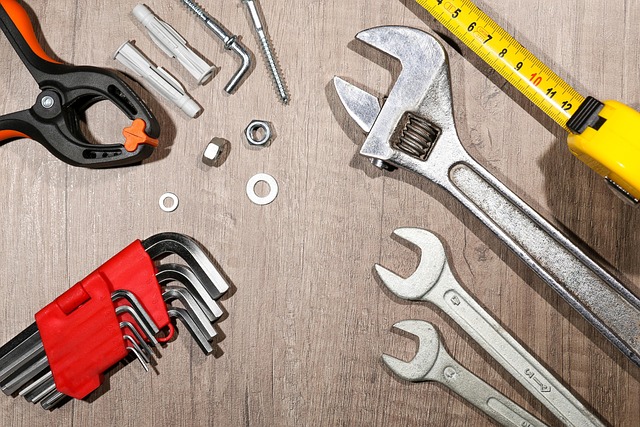
In the realm of automotive maintenance, highly skilled technicians play a pivotal role, especially when it comes to complex systems like transmissions. Case studies highlighting successful Select Transmission Repairs offer valuable insights into the expertise and strategies that set apart top-tier technicians. These repairs are particularly demanding due to the intricate nature of modern transmission systems, which often incorporate electronic transmission controls, making diagnosis and repair a nuanced process.
One notable example involves a commercial fleet experiencing significant downtime due to faulty transmissions. Through meticulous analysis, technicians identified the issue as a failed speed sensor, a problem commonly overlooked. By utilizing advanced diagnostic tools, they not only confirmed the issue but also pinpointed its exact location. This approach, combining technical proficiency with cutting-edge technology, enabled them to perform Select Transmission Repairs with precision, minimizing disruption to the fleet operations. Data from this case suggests that proper electronic transmission control management can prevent up to 75% of costly transmission failures.
Effective select transmission repair services demand a systematic approach. Technicians must be adept at diagnosing issues, often multiple problems co-existing. This includes understanding the interaction between the engine, drivetrain, and transmission, as well as the role of electronic components in modern vehicles. Regular fleet maintenance checks, focusing on transmission fluid health and early detection of sensor anomalies, can significantly extend the lifespan of these crucial components. By fostering a culture of proactive care, commercial fleet operators can avoid costly repairs and ensure reliable vehicle performance.
Industry Trends Shaping Technician Competence
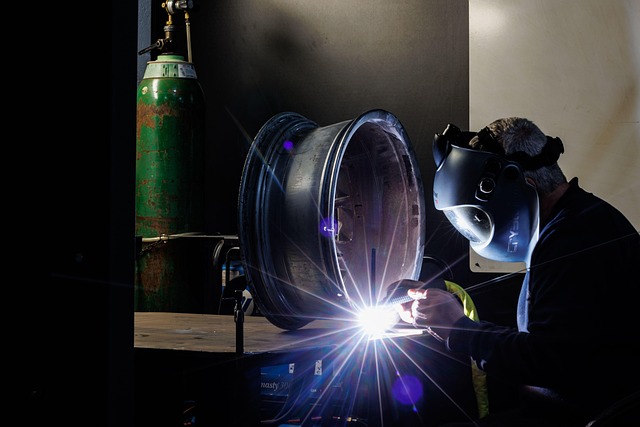
In today’s evolving automotive landscape, highly skilled technicians are increasingly pivotal to ensuring optimal vehicle performance and reliability. Among these experts, those specializing in select transmission repairs find themselves at the forefront of industry trends shaping their competence. The complexity and sophistication of modern transmission systems—from manual to automatic, and hybrid to electric—demand a nuanced understanding that goes beyond basic troubleshooting. For instance, technicians must now master the intricacies of transmission cooling system troubleshooting, addressing challenges posed by evolving fluids like Automatic Transmission Fluid (ATF) Types 1, 2, and 3, each with its unique properties and applications.
One prominent trend is the growing emphasis on precision diagnostics. Advanced scanning tools and computer-aided repair procedures enable technicians to pinpoint issues with unprecedented accuracy. This shift necessitates a deep understanding of electronic control modules and sophisticated diagnostic protocols. For example, when dealing with clutch master cylinder transmission problems, a technician must not only replace the faulty component but also recalibrate related systems to ensure smooth operation. The integration of electric and hybrid powertrains further complicates matters, requiring technicians to adapt their skill sets to accommodate new technologies and safety standards.
Another significant trend is the rise of specialized training programs focused on emerging transmission technologies. These initiatives are driven by manufacturers and industry associations to address the growing demand for competent professionals. By participating in these programs, technicians can stay ahead of the curve, gaining hands-on experience with cutting-edge repair techniques and tools. For instance, understanding the unique challenges of select transmission repairs, such as those involving complex hydraulic systems, allows technicians to offer more efficient and cost-effective solutions. Ultimately, this evolution in technician competence is not just about fixing transmissions; it’s about ensuring the safety, efficiency, and longevity of modern vehicles through specialized expertise.
Highly skilled technicians are indispensable assets in today’s rapidly evolving technological landscape. By understanding the unique qualities and continuous learning requirements of top-tier experts, organizations can enhance their capabilities significantly. The article has highlighted the critical role these technicians play, particularly in specialized fields like Select Transmission Repairs, where precise knowledge and adaptability are key. Case studies have demonstrated the impact of competent technicians on successful outcomes. Industry trends underscore the need for ongoing training to keep pace with innovation. Moving forward, investing in comprehensive education programs, fostering a culture of continuous learning, and leveraging modern tools will empower technicians to excel in their roles, ensuring optimal performance in complex tasks such as Select Transmission Repairs.