
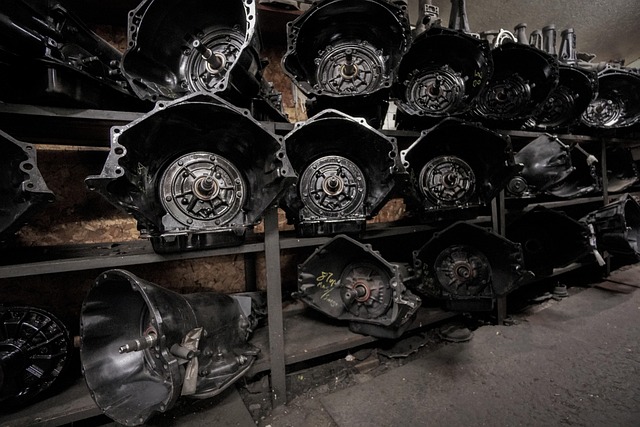
Understanding automatic transmission (AT) inner workings is vital for longevity. Select proven repair shops with positive reviews and client praise for honest, quality repairs. Proactive maintenance and timely repairs prevent breakdowns. Diagnosing AT issues requires advanced tools focusing on the transmission control module (TCM). Repairs should address root cause, differentiating simple component replacements from complex TCM issues. For commercial fleets, choose experts specializing in modern and legacy systems, with certified technicians offering preventive maintenance, fluid analysis, and advanced diagnostics. Regular preventative care reduces failure rates significantly.
In the realm of automotive expertise, proper transmission care stands as a cornerstone for vehicle longevity and performance. As our daily commutes and transportation demands continue to evolve, understanding the intricate mechanisms within your car’s transmission becomes paramount. However, navigating the complexities of transmission repairs can be daunting, leading many owners to seek reliable guidance. This article provides an in-depth exploration of expert transmission care, offering valuable insights into best practices and the art of Select Transmission Repairs. By delving into this knowledge, vehicle owners can ensure their cars remain dependable, efficient, and ready to navigate any road ahead.
- Understanding Your Transmission: Types and Common Issues
- Diagnosing Problems: Tools and Techniques for Accurate Repairs
- Selecting Expert Transmission Repairs: Ensuring Quality and Reliability
Understanding Your Transmission: Types and Common Issues

Understanding your transmission’s inner workings is key to ensuring its longevity. Automatics, whether standard or continuous variable (CVT), operate through a complex system of gears, sensors, and fluid. Recognizing common issues specific to these components empowers car owners to make informed decisions when facing transmission troubles.
One frequent problem involves transmission sensors, which regulate shifting points based on vehicle speed and engine load. A faulty sensor can lead to jerky shifts or even complete transmission failure. The cost of replacement varies depending on the model but typically ranges from $200 to $1,500, not including labor. For instance, a 2015 Honda Civic’s transmission sensor replacement might average around $800. Regular maintenance, including timely fluid changes, can prevent such issues. Choosing the right automatic transmission fluid (ATF) type, as specified by the vehicle manufacturer, is crucial. Using incorrect ATF can cause slippage or even damage internal components.
When selecting a transmission repair shop, opt for establishments with proven expertise and positive reviews. Websites like Yelp or Google Reviews offer insights into customer experiences. For instance, a top-rated shop in your area might have clients praising their honest assessments and quality repairs. Moreover, seeking recommendations from trusted automotive forums can guide you towards reliable service centers that specialize in transmission care.
Remember, proactive maintenance and timely repairs significantly extend your vehicle’s transmission life. By staying informed about potential issues and choosing the right repair partner, car owners can avoid costly unexpected breakdowns.
Diagnosing Problems: Tools and Techniques for Accurate Repairs

Diagnosing transmission problems requires a meticulous approach, as these complex systems are integral to the smooth operation of commercial fleets and personal vehicles alike. The process involves a combination of advanced tools and techniques, ensuring accurate repairs that extend the lifespan of these crucial components. One of the primary challenges lies in identifying issues within the transmission control module (TCM), which acts as the brain of the transmission system. A skilled technician must employ specialized diagnostic software to communicate with the TCM, retrieving error codes and data that reveal potential problems.
For instance, a commercial fleet manager might utilize on-board diagnostics (OBD) tools to monitor performance metrics in real time, quickly identifying unusual patterns indicative of transmission issues. This proactive approach is particularly vital for fleet operations, as rapid diagnosis can prevent costly breakdowns and minimize downtime. Once a problem is pinpointed, the next step involves selecting appropriate repair methods. Natural selection of repairs includes evaluating the extent of damage, considering cost-effectiveness, and assessing compatibility with modern vehicle technologies.
Auto transmission replacement near me has become a sought-after service, as consumers recognize the importance of reliable transmission care. However, it is essential to differentiate between simple component replacements and complex TCM repair. The latter often demands specialized knowledge and tools, ensuring that repairs are not merely superficial but address the root cause. For example, a faulty torque converter might be replaced, but underlying issues with the TCM could persist without proper diagnosis and remediation. Therefore, technicians must remain adept at utilizing advanced diagnostic techniques to stay ahead in this evolving field.
Selecting Expert Transmission Repairs: Ensuring Quality and Reliability
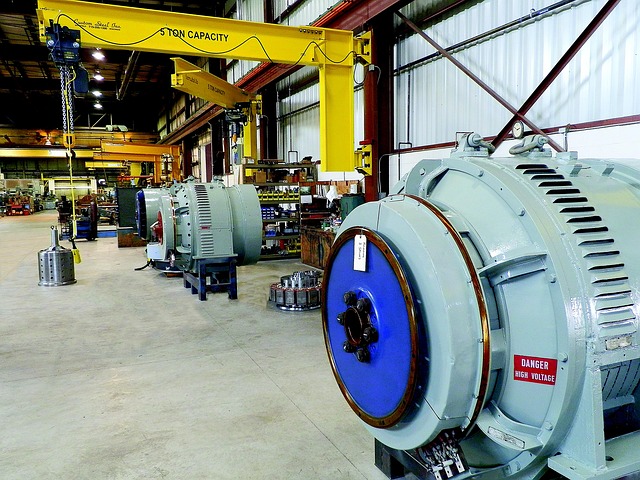
Selecting expert transmission repairs is a critical step for maintaining the reliability and longevity of commercial fleet transmissions. With complex systems like transmission cooling systems requiring meticulous care, it’s essential to partner with qualified technicians who understand the intricacies involved. One widely recognized resource for guidance is the Syncro transmission repair manual, which serves as a comprehensive guide for addressing various issues.
When evaluating potential repair shops, consider their expertise in commercial fleet transmission care. Look for facilities equipped to handle modern and legacy systems, ensuring they stay updated with industry advancements. Reputable shops should employ technicians certified by leading manufacturers, demonstrating a commitment to quality. This specialized knowledge extends beyond basic repairs; it encompasses preventive maintenance practices, transmission fluid analysis, and the latest diagnostic technologies.
For instance, effective transmission cooling system troubleshooting is vital for preventing overheating, a common cause of premature failures. Expert technicians utilize advanced tools to identify issues, ensuring precise diagnostics. Regular inspections and proactive maintenance based on manufacturer recommendations can significantly reduce the need for extensive repairs. By selecting transmission repair services with these capabilities, fleet managers can mitigate downtime and extend the lifespan of their vehicles.
Additionally, consider shop reputation, customer reviews, and proven track records. Data from industry studies suggest that regular, preventative care can lower transmission failure rates by up to 40%. Therefore, choosing a reputable repair provider who offers comprehensive services aligns with best practices for commercial fleet transmission care.
By understanding your transmission’s intricacies, recognizing common issues, and mastering diagnostic techniques, you empower yourself to make informed decisions. This article has equipped you with invaluable knowledge on selecting expert transmission repairs, ensuring quality, and reliability. Now, armed with these insights, take the next step by carefully evaluating potential repair shops and choosing a trusted partner for your transmission care needs. Remember, the right choice can prevent future issues and extend the life of your vehicle’s crucial transmission system.