

Efficient automatic transmission diagnosis requires detailed vehicle information and error code analysis. Advanced tools monitor critical parameters for precise troubleshooting. For commercial fleets, thorough repairs prioritize usage patterns and history. Regular maintenance prevents issues, especially in hot climates. Understanding vehicle dynamics, staying current with technology, and investing in diagnostic tools are key skills for transmission specialists. Early detection through regular checks saves costs and enhances vehicle longevity. Seek professional Select Transmission Repairs for unusual symptoms or leaks.
In the realm of automotive maintenance, seamless transmission operation is paramount for optimal vehicle performance and driver satisfaction. However, automatic transmissions, while sophisticated, can fall victim to a range of issues, from fluid contamination to complex sensor failures. Traditional repair methods often leave owners with questionable outcomes and hefty bills. Herein lies the significance of cultivating expertise in Select Transmission Repairs—a game-changer that promises precision, cost-effectiveness, and longevity. This article delves into the intricate world of automatic transmission fixing, offering valuable insights for professionals seeking to enhance their skills and deliver top-tier service.
- Diagnosing Automatic Transmission Issues: Essential Steps
- Understanding Your Transmission: Types & Common Repairs
- Select Transmission Repairs: Tools & Techniques for Professionals
- Preventive Maintenance: Keeping Your Transmission in Top Shape
Diagnosing Automatic Transmission Issues: Essential Steps
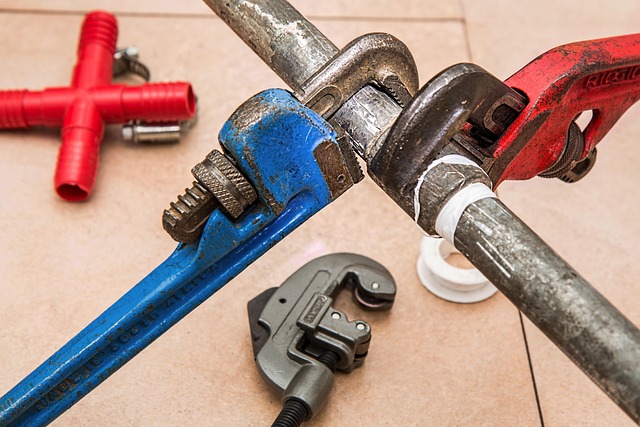
Diagnosing Automatic Transmission Issues is a critical skill for any automotive expert, especially those catering to commercial fleet transmission care. When faced with slippage in transmission or other malfunctions, a systematic approach is essential. The first step involves gathering detailed information about the vehicle’s performance and history. This includes checking driver reports, maintenance records, and any error codes stored in the car’s computer system. For instance, a common issue might be a lack of hydraulic pressure, which can lead to poor gear changes and slippage.
Once initial observations are made, advanced diagnostic tools should be employed to isolate the problem. These tools allow experts to monitor various parameters such as fluid levels, temperature, and pressure within the transmission system. By comparing these readings against manufacturer specifications, technicians can pinpoint abnormal functions. For example, a top-rated transmission shop might use a scan tool to detect an inoperative speed sensor or a faulty torque converter.
Select Transmission Repairs should focus on thoroughness rather than quick fixes. Experts should consider the vehicle’s usage patterns, driving conditions, and service history. Commercial fleet owners often face unique challenges due to high mileage and demanding operational requirements. Regular maintenance intervals and prompt addressing of transmission warnings can significantly extend the lifespan of these complex components. Moreover, staying informed about industry best practices and new technologies in automatic transmission repair ensures that shops remain competitive and offer the latest solutions, fostering a reliable transportation network.
Understanding Your Transmission: Types & Common Repairs

Understanding your vehicle’s automatic transmission is crucial for effective maintenance and repair, especially when troubleshooting common issues that can arise. Automatics fall into two primary types: conventional hydraulic and modern electronic/hydraulic hybrid systems. Each requires specialized knowledge to service, with specific components like transmission sensors, cooling systems, and fluid playing pivotal roles. For instance, a transmission sensor replacement cost can vary widely based on the vehicle model, but it’s often a critical fix that impacts gear shifting smoothness.
Regular maintenance, such as timely transmission fluid changes (typically every 30,000 to 60,000 miles or per manufacturer recommendations), is key to preventing more serious problems. Neglecting these intervals can lead to fluid degradation, affecting the clutch and band performance within the transmission. Transmission cooling system troubleshooting becomes essential in hot climates or after extreme driving conditions, as overheat issues can cause permanent damage.
When selecting transmission repairs, it’s vital to rely on experienced technicians who understand the intricacies of your vehicle’s specific type. For example, a hybrid transmission repair differs significantly from a conventional one due to its electric/hydraulic fusion. Proper selection ensures not only effective fixes but also longevity for these complex systems, which are increasingly common in modern automobiles.
Select Transmission Repairs: Tools & Techniques for Professionals

Selecting the right transmission repair methods is a critical step for any automotive professional looking to offer top-tier services. When faced with various transmission issues, whether it’s an aging automatic transmission requiring a complete overhaul or a modern electronic transmission control system demanding intricate diagnostics, having a comprehensive toolkit and deep technical knowledge is paramount. For instance, the decision between a manual transmission conversion kit and replacing specific transmission sensors can significantly impact the repair’s complexity and cost, with sensor replacements typically ranging from $100 to $300 per part, depending on the vehicle model.
Professionals must stay abreast of advancements in transmission technology, especially the integration of sophisticated electronic control units (ECUs) that regulate fluid pressure, shift points, and other critical functions. These systems demand specialized diagnostic tools capable of interfacing with the ECU to identify issues accurately. For instance, an OBD-II scanner may be used to retrieve trouble codes indicating problems with transmission sensors or solenoids, guiding the technician in targeted repairs. Furthermore, understanding the nuances of both automatic and manual transmissions is essential, as some conversion kits require advanced knowledge for successful installation while ensuring optimal performance and reliability.
Effective Select Transmission Repairs involve a strategic approach that combines diagnostic precision, tool investment, and a deep understanding of vehicle dynamics. By staying informed about industry trends and continuously refining repair techniques, transmission specialists can enhance their capabilities, provide superior customer service, and remain competitive in the automotive repair market.
Preventive Maintenance: Keeping Your Transmission in Top Shape

Regular and proper automatic transmission maintenance is key to preventing costly repairs and ensuring your vehicle’s reliability over time. Preventive measures are often overlooked, yet they play a crucial role in keeping these complex systems running smoothly. By implementing simple yet effective strategies, car owners can significantly extend the lifespan of their automatic transmissions. One of the first steps is to familiarize yourself with basic transmission maintenance tips, such as checking fluid levels and ensuring proper ventilation. For instance, a well-maintained transmission fluid, typically a DEXRON-VI in many modern vehicles, acts as both lubricant and protector for internal components. Regular checks can prevent leaks and ensure optimal performance.
Selecting the right transmission repair services is paramount for effective maintenance. Not all auto shops have the expertise or specialized tools to handle automatic transmissions. Local transmission specialists, with their focused skill sets, are better equipped to provide precise diagnostics and repairs. These professionals stay updated on the latest technological advancements, ensuring they can service even the most modern electronic transmission systems. For example, a specialist may employ advanced scan tools to identify minor issues early, preventing them from becoming major repairs. By choosing these experts for routine maintenance, you ensure your vehicle receives tailored care, leading to better performance and longevity.
Another vital aspect is understanding when to seek professional assistance. While some basic checks are within the capabilities of most car owners, complex transmission issues often require specialized knowledge. If you notice unusual noises, shifting problems, or fluid leaks, it’s best to consult a local transmission specialist. They can perform comprehensive inspections and offer solutions tailored to your specific needs. Regular maintenance visits, ideally at recommended intervals by your vehicle manufacturer, are essential for catching potential problems early. This proactive approach not only saves money but also prevents significant damage to your automatic transmission, ensuring it remains in top shape for years to come.
By mastering the art of expert automatic transmission fixing, professionals now possess a powerful toolkit to navigate complex repairs with confidence. Through meticulous diagnosis, understanding diverse transmission types, and implementing tailored Select Transmission Repairs, technicians can ensure optimal performance and longevity. Preventive maintenance emerges as a cornerstone strategy, allowing for proactive care that minimizes unexpected breakdowns. This comprehensive approach not only enhances vehicle reliability but also solidifies the expertise of those who embrace these proven methods, setting new standards in the industry.