

Recognize transmission symptoms like grinding gears or fluid leaks for early diagnosis. Use specialized manuals or local experts for repairs, combining DIY tools and professional assistance. Inspect and diagnose common issues like fluid top-ups to avoid costly fixes. Consider vehicle age and condition when deciding between repairs or replacement. Regular maintenance, including fluid changes, prevents severe damage and enhances reliability. Select transmission repairs based on these factors for optimal performance.
“Maximize your vehicle’s performance and longevity with our expert transmission advice. This comprehensive guide delves into the intricacies of common transmission issues, empowering you to diagnose problems effectively using specialized tools. We explore cost-effective repair strategies and provide insights on when replacement is the best option. Additionally, learn essential preventive measures to ensure optimal transmission longevity. Discover the key steps for selecting the right transmission repairs in this authoritative resource.”
- Understanding Common Transmission Issues
- Diagnosing Problems with Expert Tools
- Cost-Effective Repair Strategies
- When to Choose Replacement
- Maintaining Longevity: Preventive Measures
Understanding Common Transmission Issues
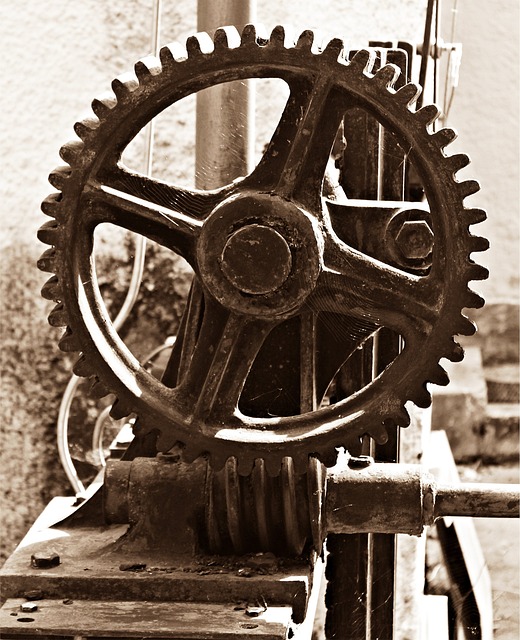
Transmission issues can be a common headache for both personal and commercial vehicle owners alike. Recognizing the signs early is crucial. Some typical problems include grinding gears, delayed shifts, fluid leaks, or a lack of response when shifting. Understanding these symptoms is an essential first step in selecting the right transmission repairs.
For instance, a Syncro transmission repair manual might be useful for those with specialized vehicles, offering detailed guidance on troubleshooting and fixing issues. Alternatively, enlisting the help of local transmission specialists can provide faster, more efficient solutions. These experts are equipped to handle various problems, from minor adjustments to complete overhauls, ensuring your vehicle’s transmission is in top condition.
Diagnosing Problems with Expert Tools
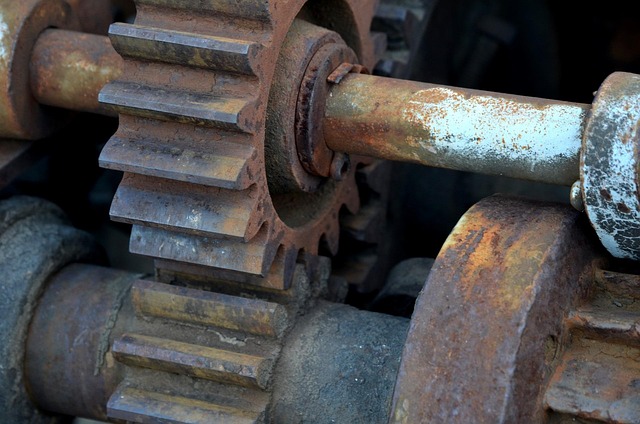
Diagnosing problems with your vehicle’s transmission requires a strategic approach. Start by observing any unusual noises or performance issues while driving, as these can be early indicators of potential transmission troubles. When suspicious symptoms arise, turn to expert tools for accurate diagnosis. Advanced diagnostic scanners and computer-aided testing methods enable specialists to identify specific issues within the transmission system, whether it’s a leaky fluid seal, a faulty gear sensor, or a more complex problem like internal damage.
Utilizing these expert tools is crucial in selecting the right transmission repairs. By pinpointing the exact cause, technicians can offer affordable transmission solutions without unnecessary replacements. This not only saves costs but also ensures your vehicle receives an urgent transmission fix if needed, keeping you safely on the road. Remember, early detection through expert troubleshooting translates to more effective and cost-efficient repair processes.
Cost-Effective Repair Strategies

When it comes to cost-effective transmission repair strategies, the first step is often a thorough inspection and diagnosis. Many issues can be resolved with simple yet effective solutions, such as fluid top-ups or routine maintenance checks. Regularly checking and maintaining your vehicle’s transmission cooling system is crucial; troubleshooting any leaks or low fluid levels can prevent more serious problems down the line. This proactive approach not only saves on repair costs but also extends the lifespan of your transmission.
Another common cause of transmission issues is slippage, which can be addressed without major repairs in many cases. By understanding the signs of slippage and promptly addressing them, drivers can avoid more complex and costly clutch master cylinder transmissions problems. Early detection and simple adjustments can go a long way in keeping your vehicle’s transmission running smoothly and efficiently.
When to Choose Replacement

When deciding between repairs or replacing your vehicle’s transmission, it’s crucial to consider several factors. One key indicator is the age and overall condition of the existing transmission. If your car is relatively new, a complete transmission control module repair might be more feasible and cost-effective. This involves fixing any electronic issues within the module that could be causing problems like unusual transmission noise diagnosis or performance hiccups.
However, as transmissions age, wear and tear can lead to more complex issues. In such cases, a complete replacement may be necessary. Automatic transmission fluid types play a significant role in this decision; regular maintenance of the correct fluid type can extend the life of your transmission. If repairs have been consistently required or the transmission has reached its expected lifespan, replacing it could be the most sensible option in the long run, ensuring smoother driving and avoiding future, potentially costly problems.
Maintaining Longevity: Preventive Measures

Regular maintenance is key to extending the lifespan of your vehicle’s transmission. Preventive measures such as timely fluid changes and regular checks can significantly reduce the risk of costly repairs. Transmission fluid, for instance, needs to be replaced at recommended intervals to maintain optimal performance and cleanliness within the transmission system. Neglecting this essential service can lead to severe damage, especially in vehicles with front-wheel drive transmission issues, which are more susceptible to fluid contamination and wear over time.
When it comes to select transmission repairs, proactive care is even more crucial for commercial fleet operations. Regularly monitoring and addressing potential problems can save businesses from unexpected downtime and expensive replacement costs. By adhering to recommended maintenance schedules, including timely fluid changes, fleet managers can ensure their vehicles’ transmissions remain in peak condition, contributing to the overall efficiency and reliability of their operations.
In conclusion, navigating transmission issues can be a complex task. By understanding common problems, utilizing expert diagnostic tools, and implementing cost-effective repair strategies, vehicle owners can make informed decisions. Remember, regular maintenance is key to longevity, so consider preventive measures to ensure your transmission’s optimal performance. When faced with significant damage or age-related wear, knowing when to choose replacement parts is crucial. Ultimately, selecting the right transmission repairs through expert advice and proactive care will keep your vehicle running smoothly for years to come.