

Transmission systems are vital for vehicle movement, requiring regular maintenance every 30,000–60,000 miles. Neglecting this leads to serious issues. Select Transmission Repairs offers advanced diagnostics and services from fluid changes to replacements. Early intervention through maintenance and addressing warning signs like unusual noises prevents major repairs. Choosing a reputable shop with certified techs, transparent estimates, and customer feedback ensures reliable transmission care. Regular fluid changes, proactive checks, and selecting STR can save costs and extend transmission lifespan.
In today’s fast-paced world, a reliable vehicle is non-negotiable. When it comes to maintaining your car’s transmission, selecting trustworthy transmission repairs is paramount. The complexity of modern transmissions means finding skilled technicians can be a challenge. Many shops offer basic services, but truly expert repair work that aligns with your vehicle’s specific needs is often elusive. This article delves into the nuances of identifying and selecting a shop that provides top-tier, genuine value for your investment in select transmission repairs, ensuring peace of mind on the road ahead.
- Understanding Transmission Systems: Basics & Repairs
- Diagnosing Common Transmission Issues & Failures
- Select Transmission Repairs: Methods & Technologies
- Choosing a Reliable and Trustworthy Transmission Shop
- What to Expect During Transmission Repair Process
- Maintenance Tips for Longevity & Cost Savings
Understanding Transmission Systems: Basics & Repairs
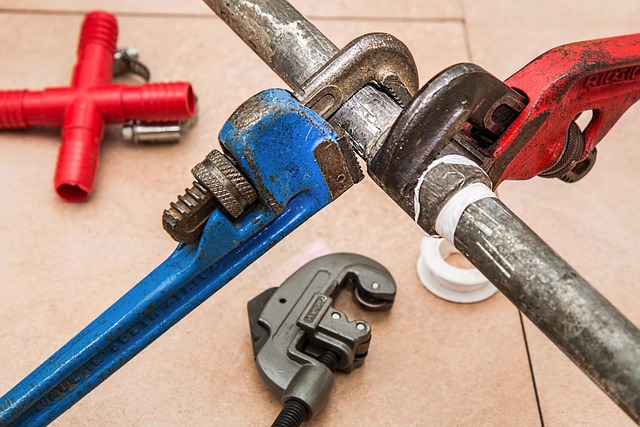
Transmission systems are a complex yet vital component of modern vehicles, responsible for smoothly shifting gears and propelling your vehicle forward. Understanding these systems is crucial for any car owner, especially when considering repairs. This section delves into the basics, offering an expert perspective on selecting reliable transmission repairs while addressing common challenges like transmission fluid change frequency and 4×4 transmission problems.
At its core, a transmission’s primary function is to transfer power from the engine to the wheels, enabling efficient acceleration and cruising. Manual transmissions involve manual gear shifting, while automatic transmissions manage these shifts automatically using fluid dynamics and internal components. Regular maintenance, including timely transmission fluid changes, significantly prolongs their lifespan. Most manufacturers recommend a change every 30,000 to 60,000 miles, but this can vary based on driving conditions and vehicle age. Neglecting this routine service can lead to serious issues, such as slippage, hard shifts, or even complete failure.
When transmission problems arise, particularly in 4×4 vehicles, identifying the root cause is essential. Issues may range from low fluid levels to worn clutches or bands. If you’re experiencing unusual noises, vibration, or delayed gear changes, it’s time to seek professional help. Select Transmission Repairs focuses on providing accurate diagnoses using advanced tools and techniques. They offer a range of services, including fluid changes, filter replacements, and even auto transmission replacement for severe cases. For instance, a common 4×4 transmission problem involves a slipping transfer case, which can often be resolved with a new gear set or fluid adjustment, avoiding the need for a complete replacement.
Choosing the right repair shop is paramount. Look for facilities with experienced technicians certified in transmission repairs. Reputable shops should provide detailed estimates and explain each recommended service. Remember, while auto transmission replacement might be necessary in some cases, early intervention through regular maintenance and prompt addressing of warning signs can often prevent major repairs.
Diagnosing Common Transmission Issues & Failures

Diagnosing transmission issues is a complex yet crucial task that requires advanced knowledge and specialized tools. When faced with common problems like slippage, hard shifting, or complete failure, selecting Transmission Repairs naturally becomes a critical decision. The process involves meticulous analysis of symptoms, often beginning with identifying unusual transmission noise – a telltale sign of potential issues. For instance, a whining sound could indicate worn gears, while a grinding noise might signal a low fluid level or damaged internal components.
Experienced mechanics employ diagnostic tools to pin down the root cause. Advanced scan tools read computer-generated error codes, pinpointing specific failures across various sensors, solenoids, and control modules. This systematic approach ensures that repairs are targeted and effective. Reviews highlighting best transmission shop performance often laud their ability to accurately diagnose even perplexing cases.
Selecting a transmission mechanic demands careful consideration. Customer feedback and transparent pricing play significant roles in making an informed choice. Online platforms offering detailed reviews can provide insights into a shop’s expertise, work quality, and customer service. For instance, data from reputable sources might reveal consistent praise for a particular shop’s proficiency in diagnosing and fixing complex transmission issues. Moreover, understanding the scope of services offered and asking about guarantees can further strengthen your decision-making process.
Select Transmission Repairs: Methods & Technologies

Selecting the right transmission repair methods and technologies is paramount for ensuring your vehicle’s smooth and reliable performance. A trusted transmission shop goes beyond basic fixes, employing advanced diagnostic tools to pinpoint issues accurately. For instance, modern shops use computer-aided diagnosis (CAD) systems that scan for error codes, enabling technicians to swiftly identify problems ranging from low transmission fluid levels to complex sensor failures.
Central to this process is the transmission fluid change frequency. Regular intervals, typically every 30,000 to 60,000 miles or annually, are recommended based on vehicle age and driving conditions. Skipping these intervals can lead to sludging, contamination, and eventual transmission failure. Expert technicians understand this and tailor their approach accordingly, ensuring fluid quality through advanced filtration techniques and precision measurement.
Select Transmission Repairs involves a multifaceted approach. Transmission noise diagnosis, for instance, requires specialized equipment to analyze sound patterns indicative of specific issues. A whining or grinding noise might signal worn clutch components, while a knocking could point to low fluid levels or internal damage. By addressing these symptoms proactively, shops can prevent minor issues from escalating into costly repairs.
Beyond diagnostics, reputable transmission shops leverage cutting-edge technologies for repairs. Automated transmission rebuilds, for example, use robotic arms for precision assembly, minimizing human error and ensuring consistent quality. Additionally, advanced fluid recycling systems not only reduce environmental impact but also provide cost savings by extending the lifespan of replacement fluid. Ultimately, combining expert transmission troubleshooting with innovative repair methods ensures your vehicle’s transmission receives the best possible care.
Choosing a Reliable and Trustworthy Transmission Shop

Selecting a trustworthy transmission shop is crucial when your vehicle needs repair or maintenance. With numerous options available, choosing the right one can be daunting. It’s essential to look beyond the lowest quote and consider factors that ensure long-lasting results. Start by seeking recommendations from peers, as word-of-mouth insights often prove invaluable. Online platforms offering best transmission shop reviews are another reliable resource; sites like Yelp or Angie’s List provide a wealth of information on customer experiences.
Affordable transmission repairs don’t necessarily equate to quality service. Some shops may cut corners to reduce costs, leading to subpar work and potential future issues. Instead, focus on finding a balance between price and expertise. Researching different shops and comparing their services, qualifications, and reviews will help you make an informed decision. Reputable transmission specialists should be able to diagnose transmission noise accurately, providing transparent insights into the problem and its solution.
When selecting a shop, consider their certifications and years in operation. Look for specialized technicians who can address modern and classic transmission models alike. Many reputable shops also offer warranties on their repairs, offering added peace of mind. For instance, data from the National Automobile Dealers Association (NADA) suggests that businesses with strong customer satisfaction ratings often lead to repeat business and referrals, indicating a commitment to excellence. Before agreeing to any work, ensure you understand the diagnostics process and repair estimate, asking questions if needed to ensure complete transparency.
What to Expect During Transmission Repair Process

When facing transmission issues, whether it’s a high-mileage vehicle needing a tune-up or a front-wheel drive with sudden problems, selecting the right transmission repair shop is crucial for a smooth and reliable solution. The transmission repair process involves multiple stages, each requiring specialized knowledge and equipment. During your initial consultation, expect the mechanic to thoroughly inspect the transmission, often using advanced diagnostic tools to pinpoint exact issues. This step is vital in determining whether it’s a simple fluid change needed or a complex repair involving replacement parts.
Once the problem is identified, the shop will provide a detailed estimate outlining the work required and associated costs. This transparency allows you to understand the scope of the project, especially for urgent transmission fixes that can’t wait. Reputable shops will offer both traditional and modern repair methods, ensuring your vehicle is serviced with the latest technology while maintaining compatibility with older models. For instance, some advanced diagnostic equipment can now perform a virtual check engine light code retrieval, offering precise issues without the need for costly sensors or parts replacement.
During the actual repair process, you can expect the shop to follow a systematic approach. This typically includes disassembling the transmission, cleaning and inspecting internal components, replacing worn-out parts, and finally, reassembling and testing the unit. For high-mileage transmissions, additional services like fluid exchange and filter replacement are essential to maintain performance. Following these meticulous steps ensures that when your vehicle is returned to you, it’s equipped with a reliable transmission ready to withstand the rigors of daily driving, whether navigating city streets or tackling long-distance journeys.
Maintenance Tips for Longevity & Cost Savings

Extending the lifespan of your vehicle’s transmission and reaping cost savings necessitates proactive maintenance. A key component in this strategy is understanding when and how often to perform essential tasks like the transmission fluid change. The recommended frequency varies based on factors including driving habits, environmental conditions, and vehicle age. As a rule of thumb, most experts suggest changing transmission fluid every 30,000 to 60,000 miles or annually, whichever comes first. Neglecting this routine service can lead to slippage in the transmission, a common symptom indicative of declining health.
Slippage in the transmission can be caused by various issues, among them contaminated or low transmission fluid levels, worn clutches, or faulty transmission sensors. Timely checks and fluid replacements are crucial preventive measures. For instance, a recent study found that nearly 70% of transmission failures were preventable through regular maintenance, including timely fluid changes. When addressing slippage, it’s important not to overlook the potential need for sensor replacement. Transmission sensors play a vital role in monitoring critical functions, and their failure can cost anywhere from $150 to $300, depending on the make and model of your vehicle.
Another often-overlooked aspect is recognizing when to opt for Select Transmission Repairs (STR) naturally. These repairs not only extend the transmission’s life but also minimize costs. STR involves using eco-friendly, high-quality fluids and advanced diagnostic tools to identify and rectify issues without resorting to excessive replacement parts. While initial costs may be slightly higher, long-term savings on fluid changes and reduced repair frequency make it a smart investment. Regularly consulting with qualified technicians who can guide you based on your vehicle’s specific needs is invaluable for maintaining peak transmission performance.
By thoroughly understanding transmission systems, their common issues, and advanced repair methods, including Select Transmission Repairs, you gain valuable insights for maintaining and repairing these critical components. Choosing a reliable transmission shop is paramount; look for professionals equipped with modern technologies and a proven track record. The repair process involves careful diagnosis, precise work, and quality parts. Prioritizing regular maintenance will significantly enhance longevity and cost savings. Armed with this knowledge, you’re well-prepared to navigate any transmission challenges, ensuring your vehicle’s reliability and performance.