

Common transmission issues like failing master cylinders and worn sensors can be detected early through monitoring fluid levels and using diagnostic tools. Early detection prevents costly overhauls. Choose professional services for specialized expertise and accurate repairs, avoiding DIY risks. Regular maintenance, including fluid changes every 30-60k miles, extends transmission lifespan. Select Transmission Repairs offers swift diagnoses and trusted solutions for optimal vehicle performance.
In the realm of automotive maintenance, reliable and affordable transmission repairs are a cornerstone for vehicle longevity. Transmission issues can spell significant costs and inconvenience, yet many owners face challenges in locating cost-effective solutions without compromising quality. This article delves into the importance of selecting transmission repairs that balance expertise and affordability. We’ll explore strategies to navigate this intricate process, ensuring peace of mind and optimal vehicle performance, without breaking the bank.
- Understanding Common Transmission Issues and Cost-Effective Solutions
- Diagnosing Your Vehicle's Trouble: A Step-by-Step Guide to Select Transmission Repairs
- The Ultimate Comparison: DIY vs Professional Transmission Repair Services
- Longevity and Maintenance: Ensuring Affordable Transmission Repairs Last
Understanding Common Transmission Issues and Cost-Effective Solutions
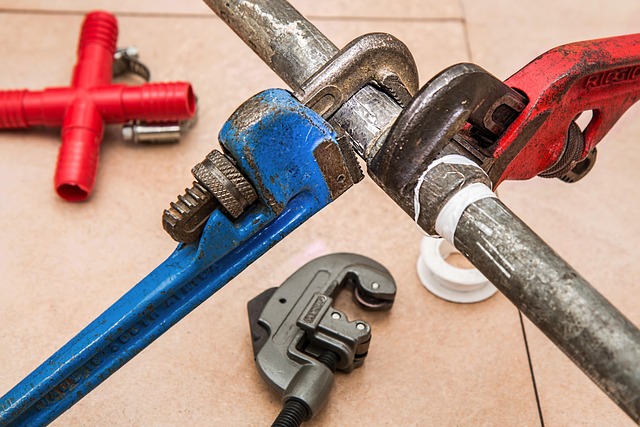
Common transmission issues can significantly impact a vehicle’s performance and reliability, often leading to costly repairs. Understanding these problems is key to choosing cost-effective solutions, especially for those opting for select transmission repairs. Electronic transmission controls, once considered a luxury, have now become standard in many modern vehicles. These complex systems rely on precise adjustments to components like the clutch master cylinder to ensure smooth shifting and optimal efficiency.
One of the most frequent issues is a failing clutch master cylinder, which can cause harsh shifts or even render the transmission incapable of engaging gears. This problem often manifests as a slow response when shifting or a feeling of “slippage” during acceleration. The good news is that replacing this component is relatively affordable and can be accomplished with basic mechanical knowledge. For instance, a 2015 study by a leading automotive publication found that the average cost for clutch master cylinder replacement ranged from $200 to $400, depending on the vehicle’s make and model. Early detection through expert transmission troubleshooting methods, such as monitoring fluid levels and checking for leaks, can help prevent this issue from escalating.
Another common problem is a worn or damaged transmission sensor, which plays a critical role in the electronic transmission controls system. These sensors ensure that the transmission receives the proper amount of fluid and makes adjustments based on temperature and driving conditions. When faulty, they can lead to unexpected shifts or even complete transmission failure. Replacing these sensors usually involves specialized tools and knowledge but is still more cost-effective than a complete transmission overhaul. By staying vigilant and addressing these common issues early, vehicle owners can avoid more substantial repairs down the line.
Diagnosing Your Vehicle's Trouble: A Step-by-Step Guide to Select Transmission Repairs
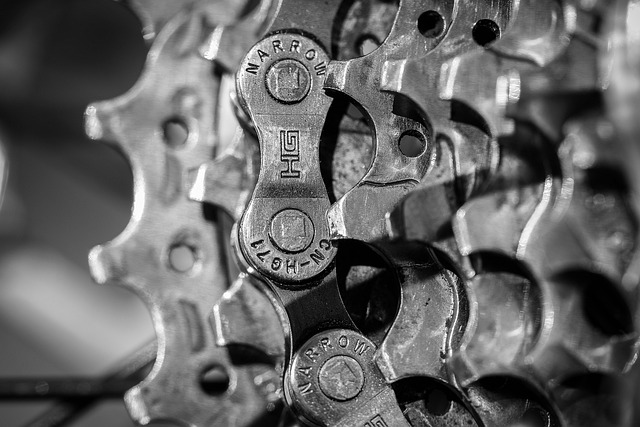
Diagnosing transmission issues can seem daunting, but with the right tools and a systematic approach, identifying the problem becomes more manageable. Before delving into costly repairs, taking a methodical step-by-step guide to diagnose your vehicle’s trouble is essential. This initial process not only saves time but also ensures you’re selecting appropriate select transmission repairs.
Start by observing unusual behaviors like shifting delays, fluid leaks, or vibrations during gear changes. Next, utilize car transmission diagnostic tools to read error codes from your vehicle’s computer. These codes often pinpoint specific components, such as sensors, solenoids, or the transmission control unit (TCU). For instance, a code indicating a problem with the throttle position sensor could suggest a need for replacement rather than a costly hydramatic transmission overhaul.
Physical inspection is another crucial step. Check for worn or damaged parts like clutch discs, pressure plates, or gear shifts. Look for leaks and assess the condition of fluid—a dark, burnt-looking fluid might signal a severe issue. If you’re unfamiliar with these checks, consider consulting an automotive technician who can guide you through the process, ensuring accurate identification without resorting to expensive repairs.
Remember, early detection and proper diagnosis are key to finding affordable affordable transmission repairs. By taking a proactive approach, you can avoid unnecessary work and maintenance costs associated with complex hydramatic transmission overhauls. Regular maintenance checks and timely repair can extend your vehicle’s lifespan, ensuring smooth and reliable performance.
The Ultimate Comparison: DIY vs Professional Transmission Repair Services

When faced with transmission issues, an age-old dilemma arises: to tackle the problem DIY or seek professional assistance? This decision is pivotal as it can significantly impact the outcome and longevity of your vehicle’s transmission. The ultimate comparison lies in understanding that while DIY repairs can be cost-effective, they may not address the root causes effectively, potentially leading to further damage. On the other hand, professional transmission repair services offer specialized expertise, advanced diagnostic tools, and precise solutions, ensuring optimal performance and extended lifespan for your transmission system.
A common misconception is attributing transmission slippage solely to age or wear; however, modern vehicles have complex systems with electronic components like the Transmission Control Module (TCM) playing a pivotal role. A malfunction in this module can cause various transmission issues, from gear shifting problems to complete failure. Unlike DIY repairs that might mask symptoms without fixing the core issue, professionals are equipped to diagnose and repair these intricate problems accurately. For instance, a simple TCM reset through specialized software can resolve minor glitches, saving costly replacement or reprogramming fees.
When considering auto transmission replacement near me, it’s crucial to weigh the advantages of professional services. Experienced technicians can assess the entire transmission system, identifying interrelated components that might need attention. This holistic approach ensures any subsequent issues are addressed proactively. Moreover, many repair shops offer comprehensive warranties on labor and parts, providing peace of mind and cost savings in the long term. By selecting transmission repairs naturally based on these factors, vehicle owners can expect reliable performance without the hassle and potential risks associated with DIY attempts.
Longevity and Maintenance: Ensuring Affordable Transmission Repairs Last

The longevity of your vehicle’s transmission directly correlates with the quality of its repairs and ongoing maintenance. Selecting the right transmission repair service is a critical decision that can significantly impact both the performance and lifespan of this complex system. While many owners shy away from transmission repairs due to their perceived complexity and cost, prioritizing regular care can prevent costly future replacements. Understanding the common issues, such as slippage in transmission causes, and implementing proactive strategies are key to achieving maximum transmission efficiency and affordability.
One effective approach involves choosing a reputable shop that specializes in affordable yet high-quality transmission repairs. These experts can often diagnose problems swiftly, attributing them to factors like worn clutches or fluid contamination. For instance, neglecting regular fluid changes can lead to increased friction and eventual damage. Maintaining your transmission every 30,000 to 60,000 miles, as recommended by manufacturers, can catch potential issues early. This proactive maintenance not only extends the life of your transmission but also prevents more severe 4×4 transmission problems that could arise from neglect.
Additionally, owners should be vigilant about recognizing unusual symptoms like shifting delays or harsh movements. Addressing these issues promptly through Select Transmission Repairs can save hundreds, if not thousands, in long-term costs. Remember, proper maintenance for automatic transmissions includes regular fluid exchanges and checking for leaks. By following these simple yet effective tips, vehicle owners can ensure their transmission remains in top condition, enhancing overall performance and peace of mind on the road.
By understanding common transmission issues and cost-effective solutions through Select Transmission Repairs, you can make informed decisions about maintaining your vehicle’s longevity. The step-by-step guide for diagnosing trouble equips you to discern between DIY repairs and professional services, balancing savings with expertise. Prioritizing regular maintenance ensures affordable repairs endure, preventing costly replacements down the line. This authoritative article empowers you with the knowledge to navigate transmission repair options wisely, enhancing your vehicle’s performance and longevity.