

Understanding transmission types guides repairs and conversions, impacting cost and compatibility. DIY methods for minor issues, but complex repairs like TCM issues require professional tools and training. Select Transmission Repairs balance affordability and safety, offering skilled services for longevity. Skilled specialists in standard and 4×4 transmissions ensure quality, with research and reviews vital. Preventive maintenance, including ATF changes, extends lifespan, especially for fleets. Regular structured programs prevent minor problems from escalating, saving money on repairs.
In today’s fast-paced world, reliable and affordable transportation is a cornerstone of modern life. Yet, the cost of transmission repairs can often feel like an insurmountable barrier for many vehicle owners. This obstacle prevents them from seeking necessary maintenance, leading to more serious and costly issues down the line. Our authoritative article delves into the realm of affordable transmission options, providing practical insights and expert guidance on navigating these complexities. By understanding the various factors influencing costs and exploring innovative solutions, you’ll be empowered to make informed decisions regarding your vehicle’s health, ensuring both longevity and financial savings without compromising quality in Select Transmission Repairs.
- Understanding Transmission Types: A Comprehensive Overview
- Budget-Friendly Repair Options: Do-It-Yourself vs. Professional
- Selecting the Right Transmission Specialist: Tips and Tricks
- Preventive Maintenance: Cost Savings Through Regular Care
Understanding Transmission Types: A Comprehensive Overview

Understanding different transmission types is a crucial step when considering affordable transmission repairs or even performing do-it-yourself manual transmission conversion kits. The three primary types—manual, automatic, and continuous variable (CVT)—each have unique characteristics that impact both performance and cost of repair. Manual transmissions, for example, are known for their simplicity and durability, making them a popular choice among automotive enthusiasts who enjoy the tactile control they offer. However, manual transmission repairs can be more accessible and economical than automatic or CVT services, especially when troubleshooting common issues like syncro ring problems in 4×4 vehicles.
Automatic transmissions, on the other hand, are designed for seamless shift transitions and ease of use. While they initially commanded premium prices, advancements in technology have made affordable transmission repairs more accessible. Many modern automatics incorporate sophisticated electronics that can be diagnostically challenging but also offer opportunities for cost-effective fixes through specialized tools and knowledge. For instance, identifying and addressing sensor failures or fluid contamination issues early on can prevent costly component replacements.
CVTs, with their smooth power delivery, have gained popularity in recent years, particularly in fuel-efficient vehicles. However, these transmissions are more complex than manual or automatic counterparts, leading to potentially higher repair costs. When tackling CVT problems, such as poor performance or odd noises, it’s essential to consider the unique aspects of this transmission type. For example, issues with the belt or pulley systems require specialized tools and expertise to replace without compromising the overall system integrity.
For those looking to perform manual transmission conversions, a careful assessment of the vehicle’s existing components is necessary. Conversion kits are readily available, but their success depends on compatibility and proper installation. In cases where 4×4 transmission problems persist, a systematic approach to troubleshooting—considering both the vehicle’s age and maintenance history—is vital. By combining expert knowledge with practical insights, you can effectively navigate these transmissions’ complexities, ensuring reliable and affordable transmission solutions whether through repairs or conversions.
Budget-Friendly Repair Options: Do-It-Yourself vs. Professional
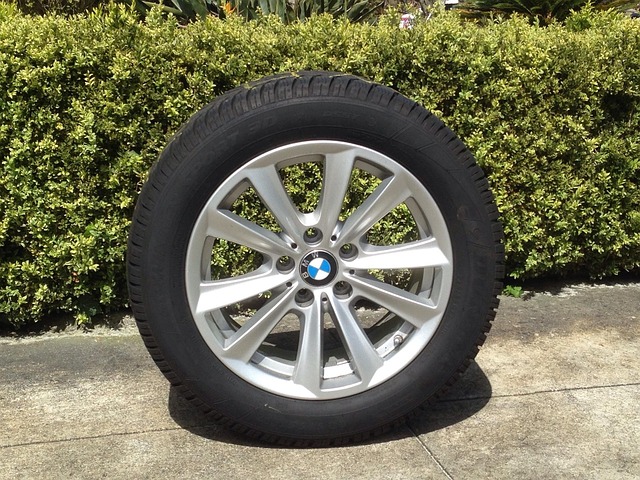
When faced with transmission issues, affordability is a key concern for many vehicle owners. Choosing between do-it-yourself (DIY) repairs and professional services requires careful consideration. While DIY methods can offer significant cost savings, they may also present challenges and potential safety risks if not executed correctly. On the other hand, relying on professionals ensures expertise but comes with a higher price tag.
A critical component of budget-friendly transmission options is understanding the underlying systems. Modern vehicles employ sophisticated electronic transmission controls and a transmission control module (TCM) repair, which can be complex. For instance, troubleshooting issues in the transmission cooling system, a vital aspect for smooth operation, requires specialized knowledge to diagnose accurately. DIY enthusiasts may find success with basic repairs, such as fluid changes, but more intricate problems often necessitate professional tools and training.
Selecting the right repair approach involves evaluating skill level, time constraints, and budget. For minor issues, DIY transmission flushes or filter replacements can be cost-effective solutions. However, for complex scenarios like TCM failures, which can lead to expensive damage if left untreated, seeking professional assistance is advisable. Reputable mechanics employ advanced diagnostic tools to pinpoint problems accurately, ensuring effective repairs without causing further harm. Ultimately, a balanced approach—combining DIY maintenance with strategic professional interventions—can offer the best of both worlds: cost savings and reliable transmission performance.
Selecting the Right Transmission Specialist: Tips and Tricks

Selecting a reliable transmission specialist is a crucial step when facing affordable transmission repairs. With various options available, choosing the right expert can make all the difference in the quality of service and the longevity of your vehicle’s transmission system. Here are some practical tips to guide your decision-making process.
First, consider specialists who have experience with both standard and 4×4 transmission problems. Many general repair shops might not possess the expertise required for specialized vehicles like SUVs or off-road cars. Look for technicians who can diagnose and fix issues related to four-wheel drive systems, as these often require specific knowledge and tools. For instance, a faulty transfer case or differential may need expert attention to avoid further damage.
Another aspect to evaluate is the cost of transmission sensor replacement. These sensors play a vital role in monitoring and controlling the transmission’s performance. When a problem arises, replacing them can be an affordable solution compared to overhauling the entire system. Prices for sensor replacement typically range from $100 to $300, depending on the make and model. However, it’s essential to get quotes from multiple specialists to ensure you’re getting a fair rate.
Reputation is key when selecting any service provider. Check online reviews and ask for recommendations from trusted sources. A specialist with a proven track record of successful repairs and satisfied customers is more likely to deliver excellent service. Additionally, inquire about their warranty policies on transmission repairs. Some shops offer limited warranties, providing peace of mind that your investment is protected even after the initial repair.
Preventive Maintenance: Cost Savings Through Regular Care

Regular preventive maintenance is a cornerstone of affordable transmission management for any fleet, particularly commercial operations where transmission health directly impacts operational efficiency and costs. By proactively addressing potential issues like slippage in transmission causes, businesses can avoid costly unexpected repairs. For example, studies show that scheduled transmission fluid changes and filter replacements can reduce the risk of costly internal component damage by up to 30%.
One of the key aspects of effective transmission care is understanding and adhering to the recommended service intervals for various types of automatic transmission fluids (ATF). ATF serves as a vital lubricant and protector against corrosion, wear, and tear. Different transmissions may require specific ATF types (ATF 1, ATF 2, or ATF 3), so consulting manufacturer guidelines is essential. Using the correct ATF not only ensures optimal performance but also prolongs the lifespan of the transmission, preventing premature slippage and other malfunctions.
Select Transmission Repairs naturally play a pivotal role in this strategy. By implementing a structured maintenance program that includes regular fluid changes, filter replacements, and visual inspections, fleet managers can identify potential issues early on. This proactive approach allows for cost-effective repairs before minor problems escalate into major transmission failures, ultimately saving money in the long run. For commercial fleets, where down time can be expensive, preventing transmission issues through diligent preventive care is a proven strategy to maintain operational efficiency and minimize unexpected expenses.
By understanding different transmission types, implementing preventive maintenance routines, and selecting budget-friendly repair options like DIY methods or trusted specialists, vehicle owners can significantly reduce transmission costs. The article has empowered readers to make informed decisions about their transmission repairs by providing practical insights on navigating the repair process naturally. Key takeaways include the importance of regular care, the value of do-it-yourself solutions for simple issues, and the need to choose specialists with expertise in modern transmission technologies. With these knowledge points, individuals are equipped to optimize their transmission health, ensuring long-lasting performance while managing costs effectively.